Best Time to See Grizzly and Black Bears in Yellowstone
★ Key Takeaways (TL;DR)
Learn when bears are most active in Yellowstone and the safest ways to observe them from a distance. For 2026, the prime window is June through September. Book early for sunrise/sunset slots.
Guided Backcountry ATV Tours
Deploy from Island Park (20 mins from West Yellowstone). Explore rugged mountain trails that standard tourists never see. Daily departures.
When Are Bears Most Active in Yellowstone?
Bear sightings are among the most coveted wildlife experiences in Yellowstone, and timing is everything. Both grizzly and black bears follow predictable seasonal patterns driven by food availability and hibernation cycles. Understanding these rhythms dramatically increases your odds of a safe, memorable encounter.
Spring: May–June (Prime Window #1)
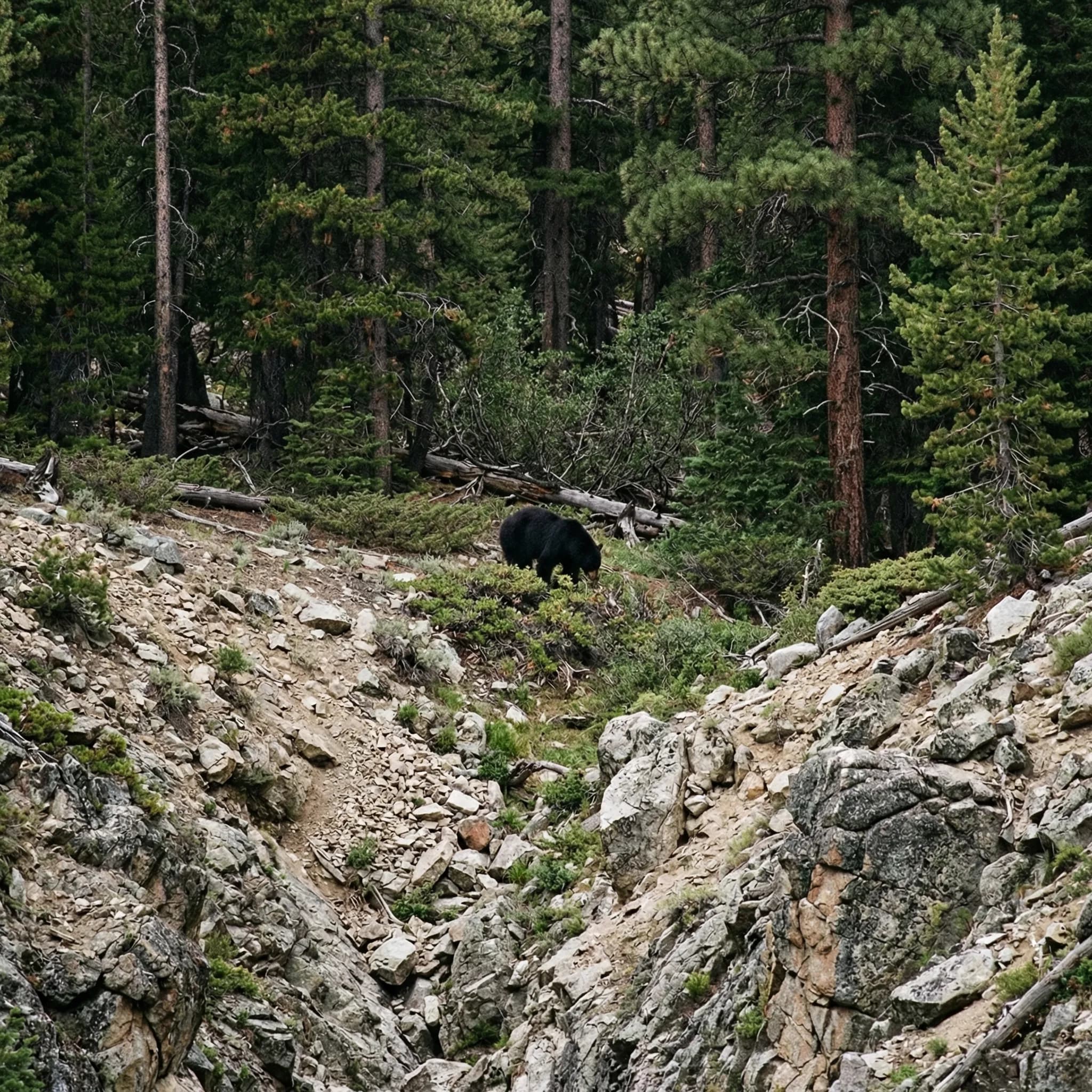
Spring marks one of the best bear-viewing windows in the Greater Yellowstone Ecosystem. Grizzlies emerge from winter dens lean and hungry, often losing 30–40% of their body weight during hibernation. They're driven to lower elevations — river valleys, meadows, and open slopes — where elk carcasses from winter die-offs provide critical protein.
Black bears similarly emerge and forage aggressively through lower forests and meadow edges. Sows with first-year cubs are particularly active and visible during this period, making spring a dynamic viewing season. The Lamar Valley and Hayden Valley corridors are the most reliable roadside viewing areas during May and June.
Pro tip: The two hours after sunrise and two hours before sunset are consistently the most productive for bear sightings. Bears are crepuscular feeders — they rest during midday heat and move actively during low-light periods.
Summer: July–August (Harder, but Not Impossible)
By mid-July, bears often retreat to subalpine zones as lower-elevation food sources dry up. They follow the snowline upward, feeding on army cutworm moths, whitebark pine nuts, and yampa roots at elevations above 8,000 feet. This makes roadside sightings from Yellowstone's main loops less frequent.
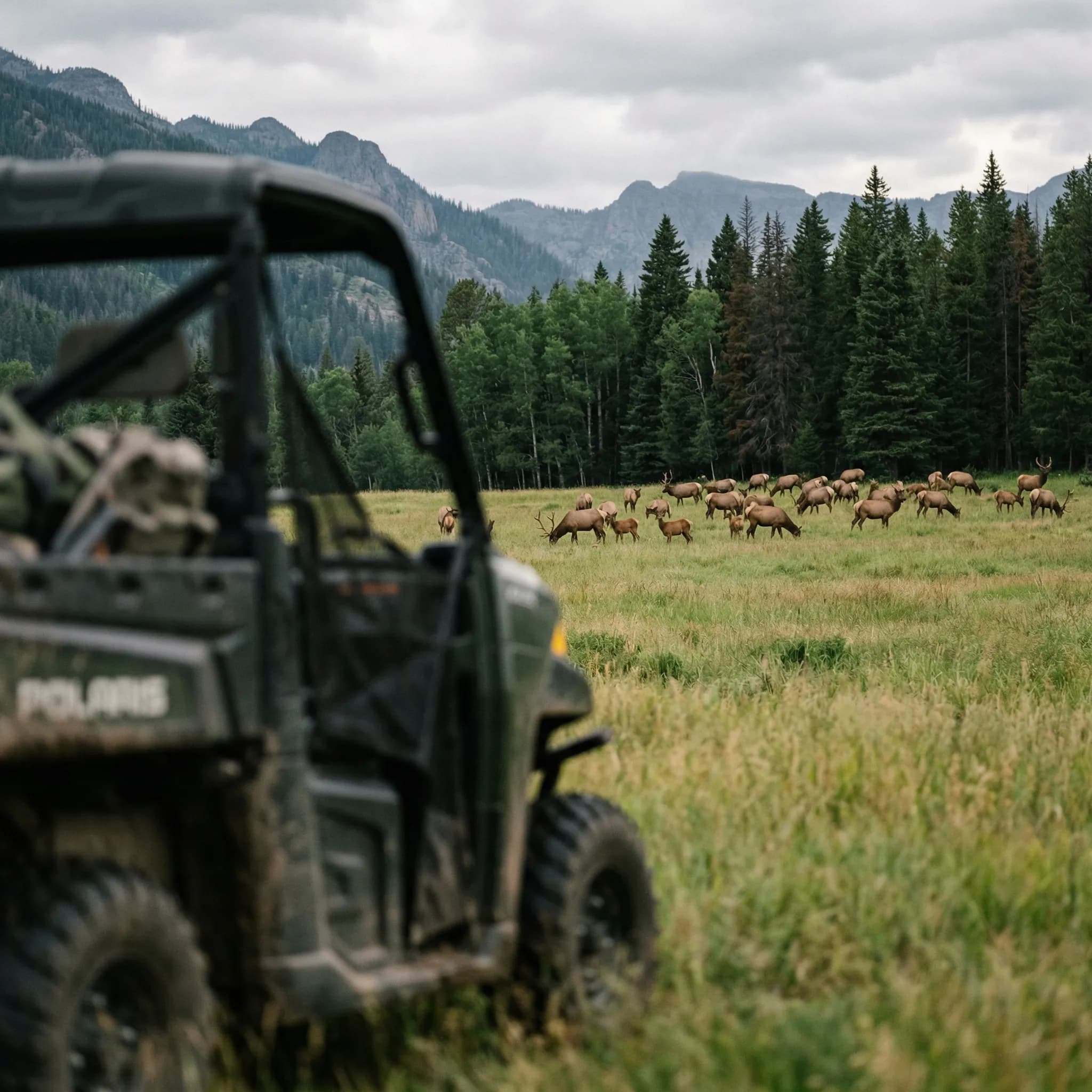
This is where backcountry access becomes a major advantage. Guided ATV tours through the high-elevation terrain surrounding Yellowstone access the same subalpine zones bears migrate into during summer. Nomad Yellowstone guides routinely report bear sightings during July and August tours along ridgeline routes that reach 8,500–10,000 feet — elevations inaccessible by car.
Fall: Late August–October (Prime Window #2)
Fall is exceptional for bear viewing, particularly grizzlies. This period — called hyperphagia — sees bears consuming up to 20,000 calories daily (roughly 90 pounds of food) to build fat reserves for winter hibernation. The desperation of pre-hibernation feeding makes bears less cautious and more visible.
Whitebark pine nuts and army cutworm moths draw grizzlies to alpine zones through September. By late September and October, bears descend to lower elevations before retreating to dens, creating excellent viewing opportunities along river corridors and meadows. Black bears similarly intensify foraging in creek bottoms and berry patches visible from valley roads.
Winter: November–April (Dens)
Winter hibernation means bears are unavailable for viewing, though occasionally early-emerging spring bears may be spotted in late April at lower elevations. Yellowstone's roads are largely closed during this period anyway.
Bear Safety: Non-Negotiable Rules
- Grizzly bears: Maintain 100 yards (300 feet) minimum distance at all times
- Black bears: Maintain 25 yards (75 feet) minimum distance
- Carry bear spray and know how to use it — it's more effective than firearms in deterring charges
- Never approach, feed, or follow a bear. Use binoculars or a telephoto lens
- If a bear changes behavior because of your presence, you're too close
Why Backcountry ATV Tours Spot More Bears
Roadside bear jams in Yellowstone involve dozens of cars, crowds, and park rangers managing traffic. Bears habituated to roads behave differently than backcountry bears, and the viewing experience is chaotic. On a guided ATV tour, you access habitat where bears behave naturally — digging, foraging, moving through meadows — without the crowd pressure of a park pullout.
Nomad Yellowstone runs guided, passenger-only ATV expeditions from Island Park, Idaho — 20 minutes from West Yellowstone. Morning, afternoon, and evening tours daily, May 15 through October 31. Your guide's habitat expertise dramatically improves wildlife sighting odds. No driving experience required.
Related reading: Best Time to See Wolves in Yellowstone · Island Park Wildlife Viewing Guide · Best Month for ATV Tours
Ready to Go?
Don't just read about it. Experience the wilderness yourself on our premium guided electric-ATV tours.
Check Availability