Best Time to Visit Yellowstone: Seasons & Activities Guide
★ Key Takeaways (TL;DR)
Visit Yellowstone May-October. June-Sept: warm hiking, wildlife. May/Oct: fewer crowds. Winter closed to cars. Nomad Yellowstone tours April 15–Oct. For 2026, the prime window is June through September. Book early for sunrise/sunset slots.
Guided Backcountry ATV Tours
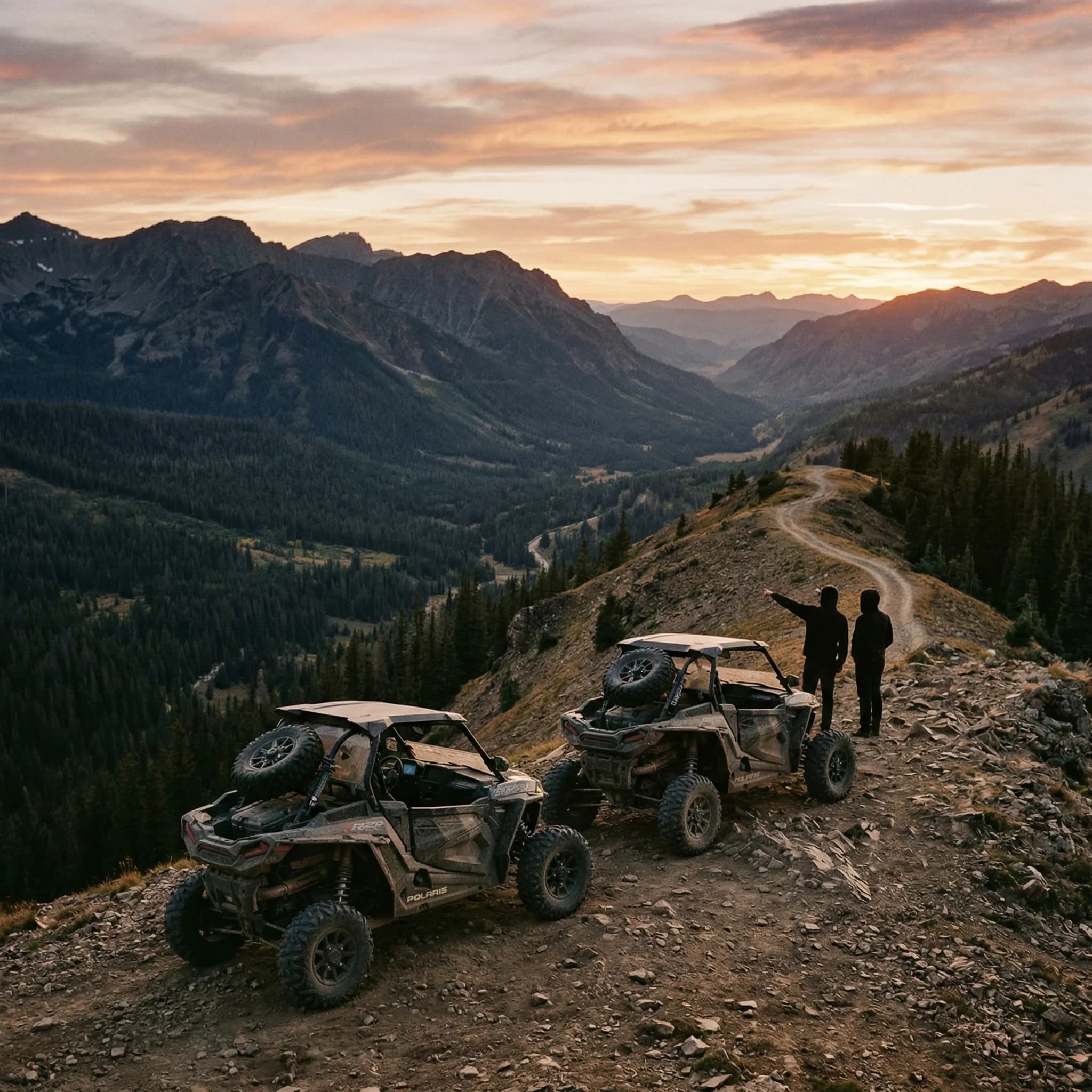
Deploy from Island Park (20 mins from West Yellowstone). Explore rugged mountain trails that standard tourists never see. Daily departures.
The Best Time to Visit Yellowstone for Outdoor Activities
The best time to visit Yellowstone depends on which outdoor activities matter most to you, your tolerance for crowds, and weather preferences. Yellowstone's 12-month operating window is split between accessible seasons (May-October for most activities) and winter-access-only seasons. Most outdoor activities operate April 15 through October—precisely Nomad Yellowstone's ATV tour season.
Peak Season: June through September
What's Best About Peak Season June through September offers warm days, consistent weather, all park roads open, and maximum activity options. Wildlife is visible, wildflowers bloom, and outdoor conditions are optimal for hiking, camping, fishing, and photography.
June: Early summer transition. Daytime temperatures reach 70-80°F; evenings drop to 40-50°F. Higher-elevation trails might have lingering snow until late June. Wildflowers begin blooming. Wildlife is active (elk, bison, moose). Crowds are moderate—post-Memorial Day but pre-Fourth of July. This is an underrated time: weather is excellent, wildflowers are beautiful, and crowds haven't peaked.
July-August: Peak tourist season. Daytime temperatures reach 75-85°F; evenings 45-55°F. Weather is most stable and predictable. Wildflowers peak in mid-July. All trails are clear of snow. Wildlife is visible throughout the park, especially in Lamar Valley (wolves, bison, grizzlies) and Hayden Valley. Crowds are highest—expect parking challenges at Old Faithful, Grand Canyon, and Midway Geyser Basin, especially midday (10 AM-4 PM).
July Fourth weekend and mid-August peak crowding periods mean early morning (6-7 AM) arrivals are necessary for parking at popular attractions.
September: Late summer transition. Daytime temperatures drop to 65-75°F; evenings 35-45°F. Crowds decline after Labor Day (early September). Wildlife remains visible but becomes less predictable. Fall colors begin late September (aspens turn yellow-gold). Early snow is possible late September at higher elevations but rare. This is arguably the best month for hiking—warm days, mild crowds, excellent wildlife viewing, and approaching fall beauty.
Weather Pattern: June-September offers 70-85% probability of pleasant hiking weather on any given day. Rain is possible but rarely prevents activities. Lightning storms occur in afternoons during summer (typical pattern: clear mornings, afternoon storms, clear evenings).
Nomad Yellowstone runs guided ATV expeditions daily from Island Park, Idaho — just 20 minutes from West Yellowstone. Morning, Mid-Day, and Evening departures. No experience required.
Shoulder Seasons: May and October
May (April 15 Season Opening) Yellowstone's formal season opens April 15. Early spring (before April 15) has limited services, snow on mountain passes, and potential road closures. April 15 onward:
Conditions: Daytime temperatures 55-65°F; nights 30-40°F. Snow is possible until late May at higher elevations. Some Forest Service roads remain closed (typically open progressively through May-June). Wildflowers begin emerging late May.
Advantages: Crowds are minimal. Hotels and restaurants are fully staffed but not packed. Wildlife is active (bears, elk). Fishing season opens. Nomad Yellowstone ATV tours begin April 15, offering backcountry exploration without summer crowds. Water levels are higher from snowmelt, creating impressive waterfall flow.
Challenges: Weather is unpredictable. Rain, snow, or sleet can occur any day. Higher-elevation trails might have snow or mud. Some higher trails are closed until late May due to snow.
Best For: Photographers seeking fewer crowds, wildlife enthusiasts, budget travelers, those comfortable with variable weather. Bring layers—early morning can be freezing; midday might be pleasant.
October Autumn season. Typically early October (through mid-October before park transitions to winter access):
Conditions: Daytime temperatures 50-60°F; nights drop to 20-35°F. Snow becomes increasingly likely mid-to-late October. First hard freeze can occur anytime in October. Roads remain open through October (exact closing dates vary by weather). Fall colors peak in early October.
Advantages: Crowds are minimal after Labor Day. Wildlife is active—elk bugling peaks late September-early October (one of Yellowstone's most dramatic natural experiences). Fall colors in aspen forests are stunning. Weather, while cool, is manageable for active outdoor people. Fewer facilities are open, but essential services continue.
Challenges: Weather is transitional—snow is increasingly likely as October progresses. Afternoon temperatures might only reach 50°F. Some higher-elevation trails close due to early snow. Days are shorter (by October 15, there's ~4.5 hours fewer daylight than June). Early morning starts mean hiking in darkness.
Best For: Those seeking solitude, fall color photography, elk bugling experience, budget travelers, experienced outdoors people comfortable with cold/snow. Nomad Yellowstone ATV tours continue through October.
Winter: November through April
Yellowstone's interior is largely inaccessible to cars November through March. Many park roads close due to heavy snowfall. Winter access is primarily via:
Snowcoach Tours: Heated vehicles equipped with tank treads accessing interior park areas. Cross-Country Skiing: Popular backcountry activity. Snowmobiling: Controversially permitted; heavy regulation.
Winter offers unique perspectives—thermal features create dramatic steam plumes against snow, wildlife concentrates around geothermal areas, and wilderness solitude is profound. However, winter is not suitable for casual visitors without specialized equipment and experience.
Nomad Yellowstone does not operate winter ATV tours—the tour season explicitly runs April 15 through October.
Activity-Specific Timing
Hiking: June-September for all trails; September-early October for fall conditions and fewer crowds. May is possible but snow on higher trails. Avoid October late-month due to potential snow.
Wildlife Photography: June-September for activity, but September offers crowds. May-June for bear spotting before summer dispersal. Late September-early October for elk bugling.
Wildflower Photography: Mid-July peak bloom. June for early flowers; August for late-season blooms.
Geothermal Feature Viewing: All season (May-October), though steam is more dramatic in cooler months (May, October).
Fishing: Begins April 15; prime June-September. Some areas remain open October.
Rock Climbing/mountaineering: June-September once snow clears.
ATV Tours (Nomad Yellowstone): April 15-October. All three periods (May shoulder, June-Sept peak, Oct shoulder) offer excellent riding. Cool mornings in May and October are actually preferable to peak summer heat.
The Optimal Timing Recommendation
For First-Time Visitors: June or September. Both offer warm weather, open roads, visible wildlife, and manageable crowds. June has slightly better weather certainty; September offers fall colors and post-Labor Day crowd relief.
For Photographers: September-early October for fall colors and wildlife, or May for minimal crowds and dramatic snowmelt features.
For Budget Travelers: May or October. 20-30% hotel discounts versus peak summer. Fewer crowds. Trade-off is cooler weather and less predictable conditions.
For Wildlife Enthusiasts: September-early October (elk bugling) or May-early June (bear activity, water features from snowmelt).
For Combining Yellowstone + ATV Tours: June-July for warm weather and comfortable riding, or September for cooler riding conditions and gorgeous fall scenery. Nomad Yellowstone tours operate all three periods (April 15 opening through October close).
For Experiencing "True" Yellowstone (fewer tourists, genuine wilderness feel): April 15-31 or October (mid-to-early October; avoid late October snow). These periods offer solitude, authentic mountain experience, and natural beauty without tourist crowds.
Crowd Patterns Throughout Season
| Period | Crowds | Best For | Weather | |--------|--------|----------|----------| | April 15-31 | Very Low | Solitude, bears, budget | Cool, variable | | June | Low-Moderate | First-timers, hiking, flowers | Warm, stable | | July-Aug 15 | Very High | Peak activities, all open | Warm, crowded | | Aug 15-Labor Day | High | Summer vacation mode | Warm, crowded | | Sept 1-15 | Low-Moderate | Fall colors, wildlife, hiking | Comfortable, fewer crowds | | Sept 15-Oct 15 | Low | Solitude, elk, colors, budget | Cool, variable late-October |
Cost Considerations
Peak Season (July-Aug): Hotels $150-300+/night. Restaurants full. Everything is premium-priced.
Shoulder Seasons (June, Sept-early Oct): Hotels $80-150/night. More availability. Better value.
April 15-31, Late October: Hotels $60-100/night. Maximum savings. Trade-off: weather unpredictability.
Final Verdict
The "best" time is genuinely individual, but September emerges as the often-overlooked optimal month: warm days, cool nights perfect for hiking, fewer crowds post-Labor Day, beginning fall colors, excellent wildlife activity (elk bugling), and reasonable cost ($80-130 hotels). You get peak-season activities with shoulder-season solitude.
For those seeking the absolute optimal experience willing to accept cool weather: April 15-31 or late September-early October for solitude and authenticity, paired with lower costs and genuine mountain-community feel.
For first-time visitors: June, when all roads are fully open, weather is warm, wildlife is visible, and crowds are moderate.
For budget + experience balance: September or early October, when costs drop, crowds disappear, and wildness becomes palpable.
All these optimal periods align with Nomad Yellowstone's April 15–October operating window, allowing you to combine park exploration with backcountry ATV adventures.
Ready to Ride?
Experience the Yellowstone backcountry on a guided ATV expedition. 3-hour tours daily, May through October.
Check AvailabilityReady to Go?
Don't just read about it. Experience the wilderness yourself on our premium guided electric-ATV tours.
Check Availability