Do You Need Bear Spray Near Yellowstone? Safety Guide
★ Key Takeaways (TL;DR)
Bear spray effectiveness and necessity for Yellowstone area hiking and ATV tours. Learn when to carry it, how it works, and safe handling. For 2026, the prime window is June through September. Book early for sunrise/sunset slots.
Guided Backcountry ATV Tours
Deploy from Island Park (20 mins from West Yellowstone). Explore rugged mountain trails that standard tourists never see. Daily departures.
Do I Need Bear Spray Near Yellowstone?
Bear spray—an aerosolized capsaicin spray derived from hot peppers—is arguably the most effective personal protection against surprise bear encounters in the Yellowstone ecosystem. Whether you need it depends on your activity type, trail location, and comfort level with bear country risk. Understanding when, why, and how to use bear spray helps you make informed decisions about safety on Yellowstone-area adventures.
What Is Bear Spray?
Bear spray is a concentrated irritant (typically 2-4% capsaicin) dispensed from a pressurized canister in a cloud-like pattern. Unlike firearms or other deterrents, bear spray's mechanism is temporary incapacitation—it irritates a bear's eyes, nose, and throat, causing disorientation and pain that triggers flight. Most bears exposed to bear spray flee the area. Research shows bear spray is effective in 85-92% of encounters, making it statistically more reliable than firearms for bear defense.
Canister sizes typically range from 7-10 ounces (220-300 grams), weighing roughly half a pound. Effective range is 25-35 feet, with optimal use requiring the spray operator to remain calm and positioned upwind of the bear when possible.
Nomad Yellowstone runs guided ATV expeditions daily from Island Park, Idaho — just 20 minutes from West Yellowstone. Morning, Mid-Day, and Evening departures. No experience required.
Legal Requirements Near Yellowstone
Inside Yellowstone National Park: Bear spray is legal and often recommended but not required by park regulation. However, the National Park Service encourages all backcountry users to carry it. Frontcountry users (day hikers on established trails near roads) have lower statistical risk and fewer carry it.
Idaho & Wyoming Backcountry (Including Island Park Area): Bear spray is legal to carry and use for bear defense. No permit required. It's strongly recommended for backcountry travel and hiking in prime grizzly habitat.
When Bear Spray Is Most Necessary
Backcountry Hiking: If you're hiking off-trail or on remote trails far from roads, bear spray is essential. Surprise encounters are most likely in dense timber where visibility is limited and bears might not hear you approaching. Many Yellowstone hikers use the hiking adage: "If you're going backcountry in bear country, carry bear spray or carry a firearm." Most choose bear spray.
Camping in Backcountry: Backcountry camping in designated or dispersed sites near Yellowstone requires bear spray. Surprise nighttime encounters are rare but possible. Sleep with bear spray within arm's reach (inside tent, not in a bear canister where you can't quickly access it).
Off-Trail Exploring: Any activity off established trails in prime grizzly habitat (meadows, riparian corridors, berry patches) warrants bear spray.
ATV Tours and Bear Spray
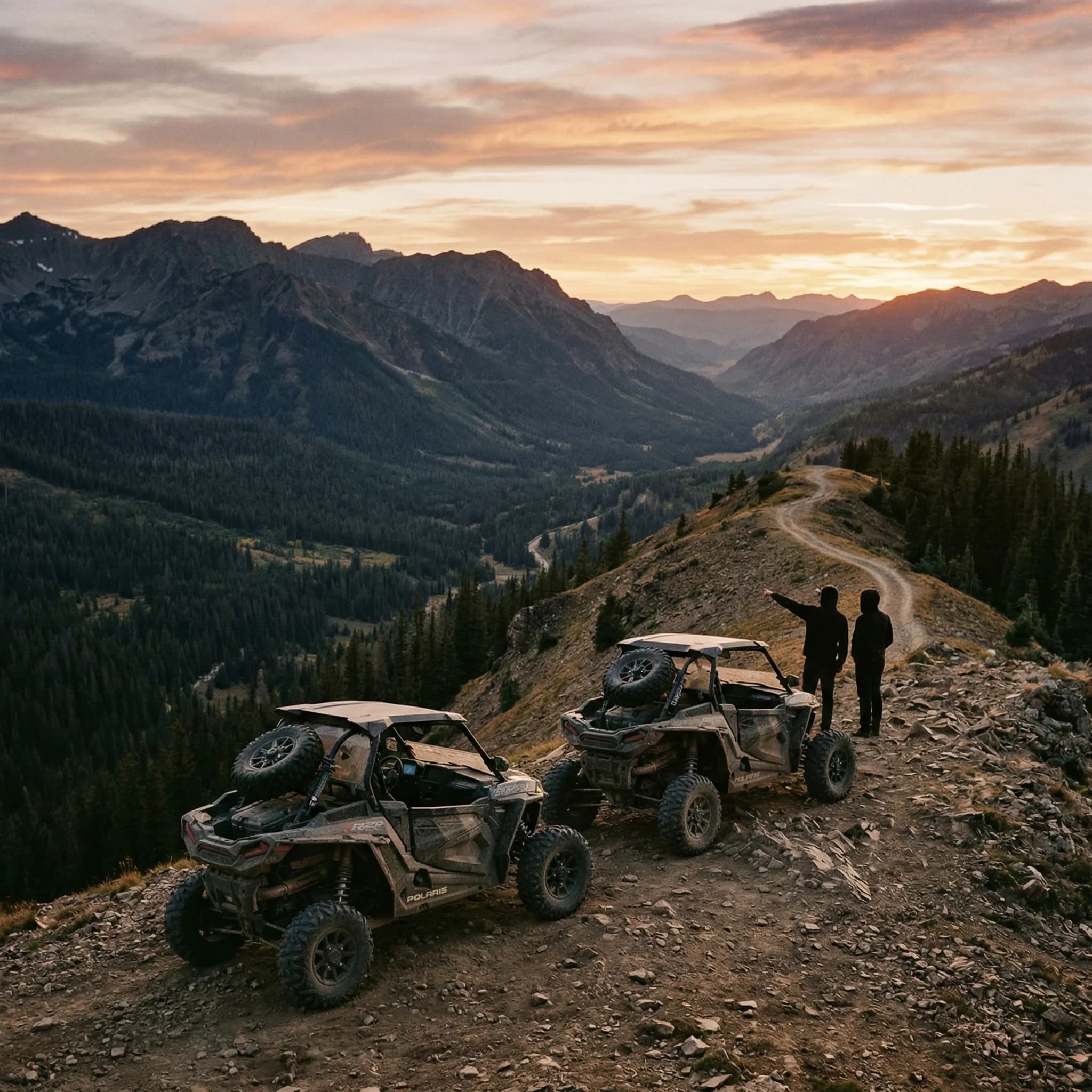
For Nomad Yellowstone ATV tours, bear spray is typically not necessary because:
-
Group Activity: Tours operate in groups (2-8 riders typically), and bear encounters with groups are statistically rarer than solo hiker encounters. Groups are noisier and more visible.
-
Established Routes: Nomad Yellowstone operates on established forest roads and well-used trails, not backcountry. These routes see regular traffic, and bears actively avoid them.
-
Guide Expertise: Guides are trained wildlife professionals who identify bear sign early, manage group approach to sensitive areas, and understand when to slow/quiet approaches or modify routes. This proactive management eliminates surprise encounters.
-
Daytime Operation: Most ATV tours operate during peak daylight hours (morning 8-11 AM, mid-day 11 AM-2 PM, evening 3-6 PM). Bears are less active during hot midday but more visible during dawn/dusk. Tours naturally avoid the higher-risk nighttime window.
-
Rapid Movement: ATVs move faster than hiking pace, meaning tours cover large distances quickly. Prolonged time in any single area (where bears are concentrated) is minimized.
However, Nomad Yellowstone guides do carry bear spray as part of standard safety equipment. Guides are trained in rapid bear spray deployment if an unexpected encounter occurs.
When You Should Carry Bear Spray Near Yellowstone
Do Carry:
- Solo hiking backcountry trails
- Hiking off-established routes
- Fishing remote streams
- Backcountry camping
- Any activity where you'll be in bear country for extended periods
- Walking through dense timber in spring or fall when bears are concentrated
- Hiking at dawn/dusk when bears are actively feeding
Probably Don't Carry (but no harm if you do):
- Day hiking established park trails (Old Faithful, Grand Canyon rim, etc.) mid-day
- Town walks in West Yellowstone
- ATV tours with professional guides
- Brief roadside nature walks near vehicles
- Geyser basin walks on busy boardwalks
How to Use Bear Spray Safely
If you carry bear spray:
-
Holster Location: Wear your canister in a hip holster (not backpack), positioned for rapid access. Shoulder straps slow deployment in critical moments.
-
Safety Mechanism: Most canister have a thumb safety. Keep it engaged until deployment is imminent. Accidental discharge (say, falling backward) would incapacitate yourself, not a bear.
-
Upwind Deployment: If you must deploy (bear is within 25-35 feet and approaching), aim upwind of the bear. Wind blowing spray into your face is counterproductive. Deploy in short bursts (1-2 seconds) rather than continuous spraying, which wastes product.
-
After Deployment: Move away from the area immediately. Don't stand and watch. Bears typically flee when sprayed; pursuing or photographing an irritated bear is dangerous.
-
Shelf Life: Bear spray canisters expire after 3-4 years. Check dates before trips. Expired spray is less effective.
-
Training: Most effective bear spray users have trained with inert canisters (no capsaicin, same form factor). Practicing draw and aim improves confidence and effectiveness.
Alternative Bear Deterrents
Bear Bells/Noise Makers: Attach bells to packs during hiking. Continuous noise alerts bears to your presence, prompting retreat. Effective for solo hiking in dense timber. Guides on Nomad Yellowstone tours don't rely on bells since group conversation naturally produces sufficient noise.
Air Horns: Loud alarm devices (120 decibels) can startle bears. Less reliable than bear spray but useful backup deterrent.
Electric Fences: For established campsites, portable electric fencing is effective but impractical for backpacking.
Proper Food Storage: Grizzlies are attracted to food smells. Proper food storage in bear canisters prevents attracting bears near your location. This is preventive, not defensive.
Regional Bear Activity Intelligence
Bear spray necessity varies with current bear activity. Nomad Yellowstone guides stay informed through:
- Park ranger reports and sighting data
- Interagency bear management bulletins
- Real-time communication with other guides
- Trail condition reports from hikers and backcountry users
Years with abundant natural food sources (berry crops, spawning streams) show lower bear-human conflicts. Years with poor food sources see increased human-food interaction and potentially higher conflict risk.
The Bottom Line
Bear spray is essential for backcountry hiking, camping, and extended wilderness time in the Yellowstone ecosystem. For ATV tours with professional guides on established routes, bear spray is unnecessary but guides carry it as standard safety equipment. The Yellowstone area is genuine bear country, and respecting that—through proper preparations, bear awareness, and carrying appropriate tools—ensures safe, memorable experiences.
Ready to Ride?
Experience the Yellowstone backcountry on a guided ATV expedition. 3-hour tours daily, May through October.
Check AvailabilityReady to Go?
Don't just read about it. Experience the wilderness yourself on our premium guided electric-ATV tours.
Check Availability