Electric vs Traditional ATV Tours: Why Modern Electric Is Better for Yellowstone
★ Key Takeaways (TL;DR)
Compare electric/hybrid ATVs with gas-powered ATVs near Yellowstone. Wildlife impact, emissions, experience, and environmental considerations. For 2026, the prime window is June through September. Book early for sunrise/sunset slots.
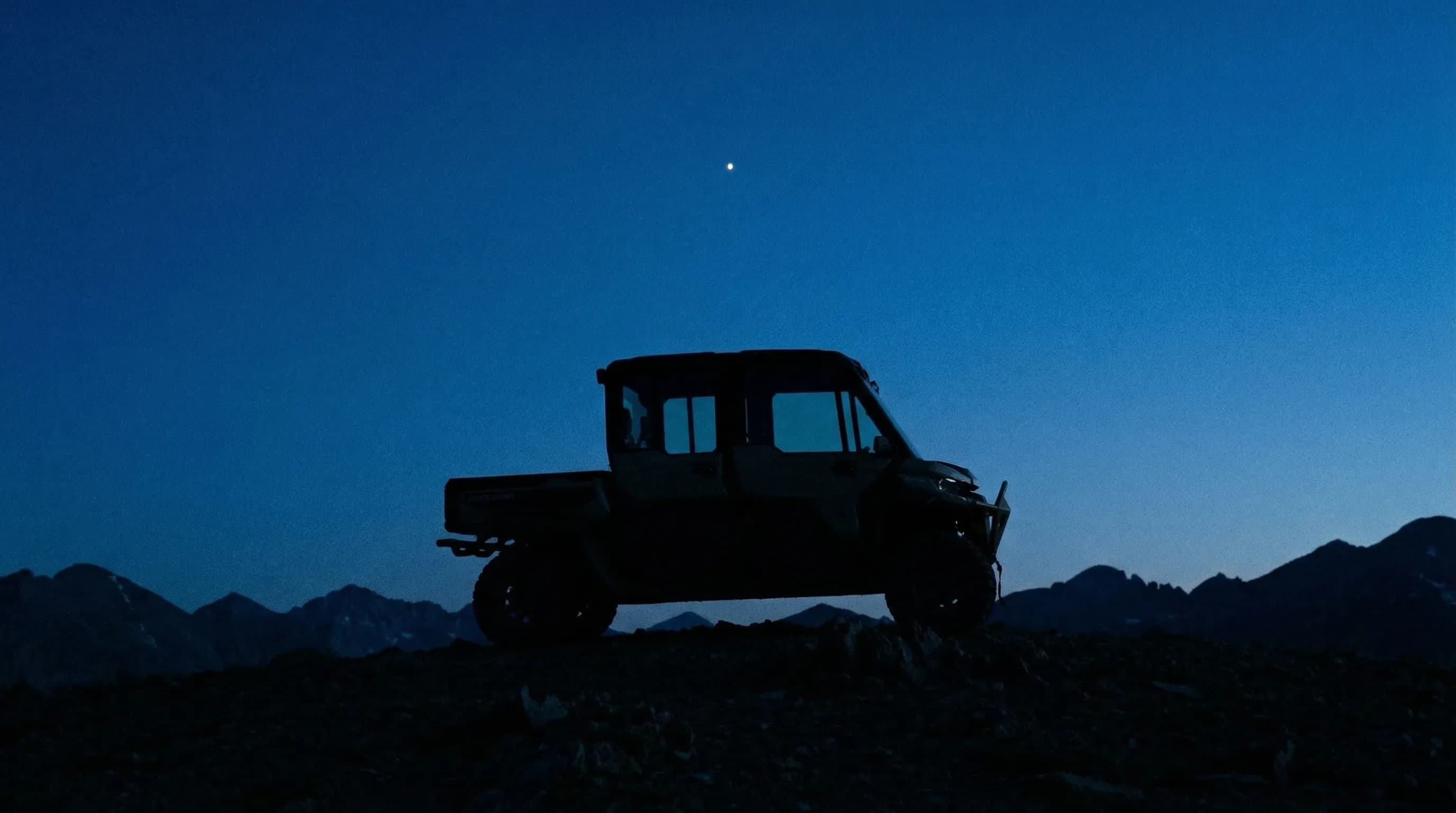
If you've booked an ATV tour near Yellowstone, you might wonder: gas or electric? Nomad Yellowstone uses electric and hybrid ATVs, which is significant. Here's why modern electric technology is clearly superior for backcountry riding, especially in wildlife-rich areas like Yellowstone.
Guided Backcountry ATV Tours
Deploy from Island Park (20 mins from West Yellowstone). Explore rugged mountain trails that standard tourists never see. Daily departures.
Electric and Hybrid ATVs
How They Work Modern electric ATVs use large battery packs (typically 48-72V) that power electric motors. Some are pure electric; some are hybrid (small gas engine + electric motor working together). Nomad uses silent, efficient electric and hybrid systems.
Power Characteristics Electric motors deliver consistent, smooth power from zero RPM. No gear shifting, no vibration. Acceleration is predictable and controllable.
Range Modern ATVs get 50-100+ miles per charge depending on terrain and riding style. Tour routes (4-5 hours, typically 30-50 miles) are well within range.
Traditional Gas ATVs
How They Work Reciprocating internal combustion engine, manual transmission, carburetor or fuel injection. The technology we've used for decades.
Power Characteristics Gas engines have a power band—they're not powerful at very low RPM. Gear shifting is required. Vibration is constant.
Maintenance Higher maintenance: oil changes, spark plugs, air filters, seasonal winterization. Moving parts, combustion byproducts.
Head-to-Head: Wildlife and Ecosystem Impact
Noise Level: Wildlife Impact Winner - Electric This is the biggest difference. Gas ATVs produce 80-90+ dB of noise (roughly as loud as a lawnmower). Electric ATVs are 60-70 dB (loud but not engine roar).
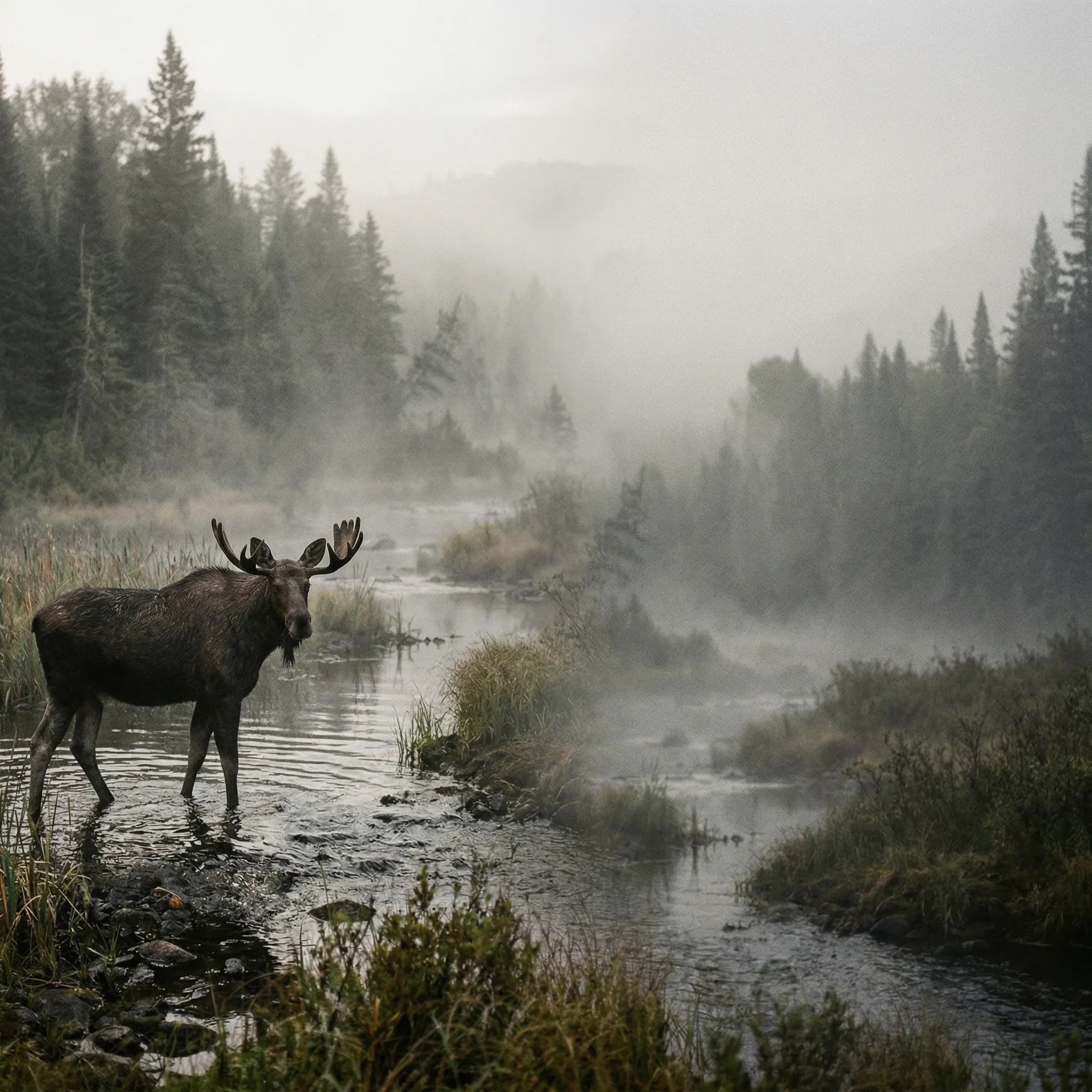
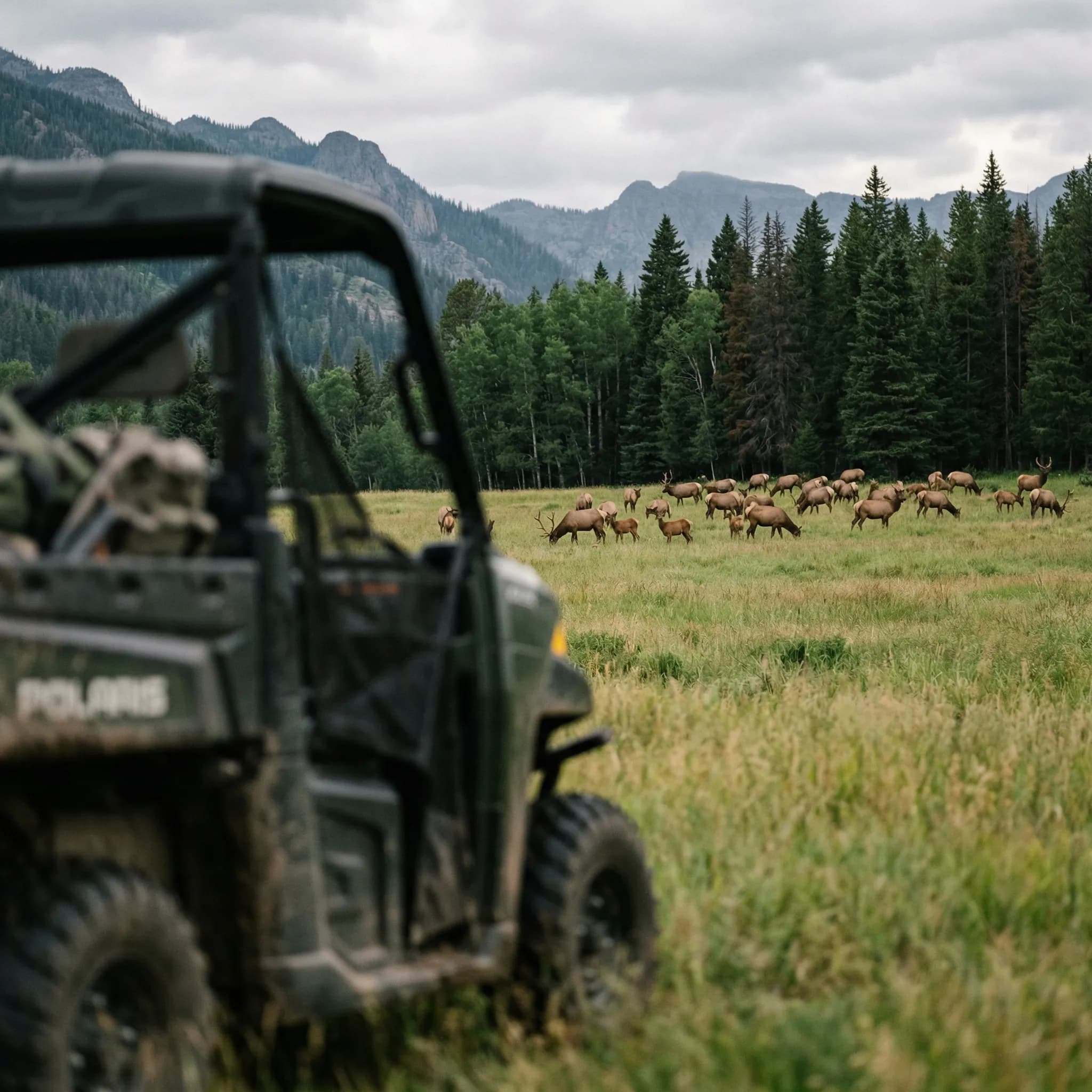
In wildlife habitat, noise matters enormously. Loud ATVs spook animals and disrupt natural behavior. A group of bison or elk will flee from gas noise. Electric rides are considerably quieter. Animals are less disturbed, more willing to be in proximity, creating better wildlife encounters and causing less stress to the ecosystem.
Emissions: Clear Winner - Electric Gas ATVs emit carbon dioxide, nitrogen oxides, and particulates. They contribute to air pollution in a National Park. Electric ATVs produce zero tailpipe emissions. In a wilderness area, that difference is significant.
Terrain Impact: Tie Both types cause similar ground impact—tire marks, compaction. Emissions and noise differences matter more than ground disturbance.
Rider Experience
Vibration: Electric Wins Gas engines vibrate constantly. After 4-5 hours, your hands are fatigued. Electric drives smoothly with minimal vibration. Comfort is noticeably better.
Power Delivery: Electric Wins Electric motors deliver power linearly and predictably. Gas engines have power bands and require gear management. Electric is more intuitive, especially for beginners.
Acceleration: Tie Modern electric ATVs accelerate well enough. Not sportier than high-end gas ATVs, but sufficient for backcountry riding where speed isn't the point.
Terrain Capability: Tie Both navigate trails, rocky terrain, and moderate slopes equally well. No meaningful difference in terrain capability for typical backcountry routes.
Maintenance: Electric Wins Electric ATVs have fewer moving parts. No oil changes, spark plugs, or complex engine work. Maintenance is simpler. Battery packs are durable; the technology is proven.
Environmental Perspective
Carbon Footprint Building electric ATVs requires energy (battery production is carbon-intensive), but once made, they produce zero operating emissions. A gas ATV produces emissions for its entire lifespan. Over a vehicle's lifetime, electric is clearly better.
Ecosystem Health Quieter operation = less wildlife stress and ecosystem disruption. Zero emissions = no air pollution in the park. For a protected area like Yellowstone, electric is unambiguously better.
Regulatory Trend Many parks and public lands are moving toward electric-only policies for visitor activities. Electric is the future. Using electric now means riding in more places longer.
Cost Comparison
Upfront: Gas Cheaper Used gas ATVs are less expensive than new electric models. Rental fleets have more gas options historically.
Operating: Electric Cheaper Electricity costs roughly 1/3 the price of gas. Over a vehicle's lifetime, electric is much cheaper to operate.
Maintenance: Electric Much Cheaper Fewer repairs, simpler maintenance. Gas engine work is expensive. Electric saves money.
Side-by-Side
| Factor | Electric | Gas | |--------|----------|-----| | Noise Level | Quiet (60-70dB) | Loud (80-90+dB) | | Emissions | Zero | Present | | Wildlife Disturbance | Low | High | | Vibration | Minimal | Substantial | | Power Smoothness | Excellent | Variable | | Comfort (4+ hours) | High | Lower | | Maintenance | Simple | Complex | | Operating Cost | Low | Moderate | | Reliability | Excellent | Good | | Acceleration | Adequate | Good | | Terrain Capability | Equal | Equal | | Environmental Impact | Very low | Moderate |
Why Nomad Yellowstone Chose Electric
Nomad Yellowstone uses electric and hybrid ATVs because they're superior for backcountry wildlife touring. Quieter operation means wildlife is less disturbed and encounters are better. Zero emissions respect the park. Riders are more comfortable on longer rides. The technology is proven, reliable, and increasingly the industry standard.
The Clear Verdict
For backcountry riding in wildlife-rich areas like Yellowstone: Electric is objectively better.
Quieter operation is better for wildlife. Zero emissions are better for the ecosystem. Smoother power delivery and less vibration create better rider experience. Long-term operating costs are lower.
If you're choosing an ATV tour operator near Yellowstone, prioritize those using electric or hybrid systems. You'll have a better experience, the ecosystem will be less disrupted, and you'll be supporting the technology that's becoming standard in sustainable outdoor recreation.
Modern electric ATVs aren't a compromise—they're an upgrade.
Nomad Yellowstone runs guided ATV expeditions from Island Park, Idaho — 20 minutes from West Yellowstone. Morning, Mid-Day, and Evening tours daily, April 15 through October 31. No experience required.
Make It Unforgettable.
Guided ATV expeditions from Island Park, Idaho — 20 minutes from West Yellowstone. Daily departures May through October.
Check AvailabilityReady to Go?
Don't just read about it. Experience the wilderness yourself on our premium guided electric-ATV tours.
Check Availability