ATV Safety Near Yellowstone
★ Key Takeaways (TL;DR)
Learn about backcountry ATV safety near Yellowstone: wildlife, weather, elevation, stream crossings, and injury prevention. Nomad Yellowstone safety standards. For 2026, the prime window is June through September. Book early for sunrise/sunset slots.
Guided Backcountry ATV Tours
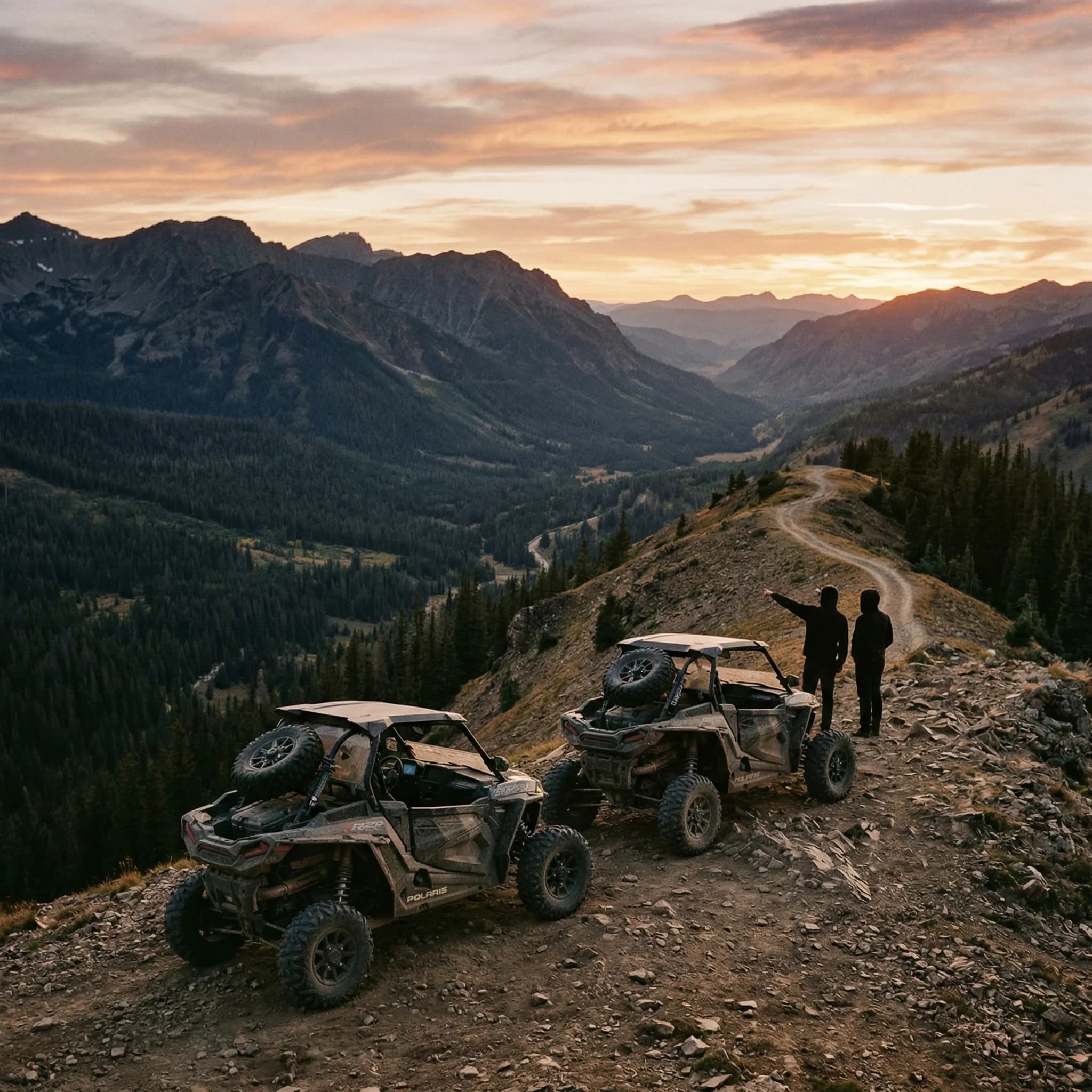
Deploy from Island Park (20 mins from West Yellowstone). Explore rugged mountain trails that standard tourists never see. Daily departures.
Is It Safe to Ride ATVs in the Backcountry Near Yellowstone?
Yes—with proper preparation, awareness, and respect for the environment, ATV riding in the Yellowstone region is as safe as any backcountry activity. Like all mountain recreation, it involves inherent risks that responsible riders can effectively manage through knowledge, equipment, and professional guidance.
The Safety Profile of Island Park and Forest Service Trails
The trails near West Yellowstone are significantly safer than many backcountry ATV destinations because:
Well-Maintained Infrastructure: Forest Service roads and designated trails near Island Park receive regular maintenance. FSR 168, the region's primary trail, is graded and maintained by the U.S. Forest Service. Ruts and debris are cleared seasonally, and obvious hazards are marked.
Established Traffic Patterns: Popular routes like FSR 168 and Buffalo Ridge see regular use, meaning paths are clearly defined and hazards are well-known. This differs from truly remote trails where obstacles appear unexpectedly.
Proximity to Resources: West Yellowstone is never more than 30 minutes away from any Island Park trail. Emergency services can respond relatively quickly compared to more distant backcountry areas. Cell service, while spotty at higher elevations, is available in lower terrain.
Nomad Yellowstone runs guided ATV expeditions daily from Island Park, Idaho — just 20 minutes from West Yellowstone. Morning, Mid-Day, and Evening departures. No experience required.
Understanding Yellowstone Region Hazards
Elevation-Related Risks: Trails in the area climb to 8,000–9,000 feet. Even acclimated riders can experience altitude effects:
- Reduced oxygen may cause faster fatigue
- Headaches and mild altitude sickness possible above 8,500 feet
- Slower processing for decision-making when fatigued
Management: Start early, stay hydrated, take breaks. Our 3-hour tours are specifically designed to avoid excessive exertion at altitude. Riders with heart or respiratory conditions should consult their doctor.
Weather Volatility: Mountain weather changes rapidly:
- Afternoon thunderstorms common June–September (30% chance any given afternoon)
- Temperature drops 3–5°F per 1,000 feet elevation gain—a 70°F day at town level is 50°F at Targhee Pass
- Lightning risk at elevations above 8,000 feet during storms
- Early/late season snow can hide trail hazards
Management: Our guides monitor weather forecasts and have established turnaround times. Morning and evening tours avoid the afternoon storm window. Proper clothing layers are non-negotiable.
Stream Crossings: Several trails involve water crossings:
- Snowmelt (May–June) creates deep, fast-moving water
- Rocky bottoms can hide holes and submerged logs
- Water temperature is near-freezing even in summer
Management: Our guides assess water conditions before attempting crossings and can bypass them if unsafe. We avoid deep-water areas during high-runoff periods.
Wildlife Encounters: The Yellowstone region is prime habitat for large wildlife:
- Bears (black and grizzly) inhabit the area; encounters are possible but rare
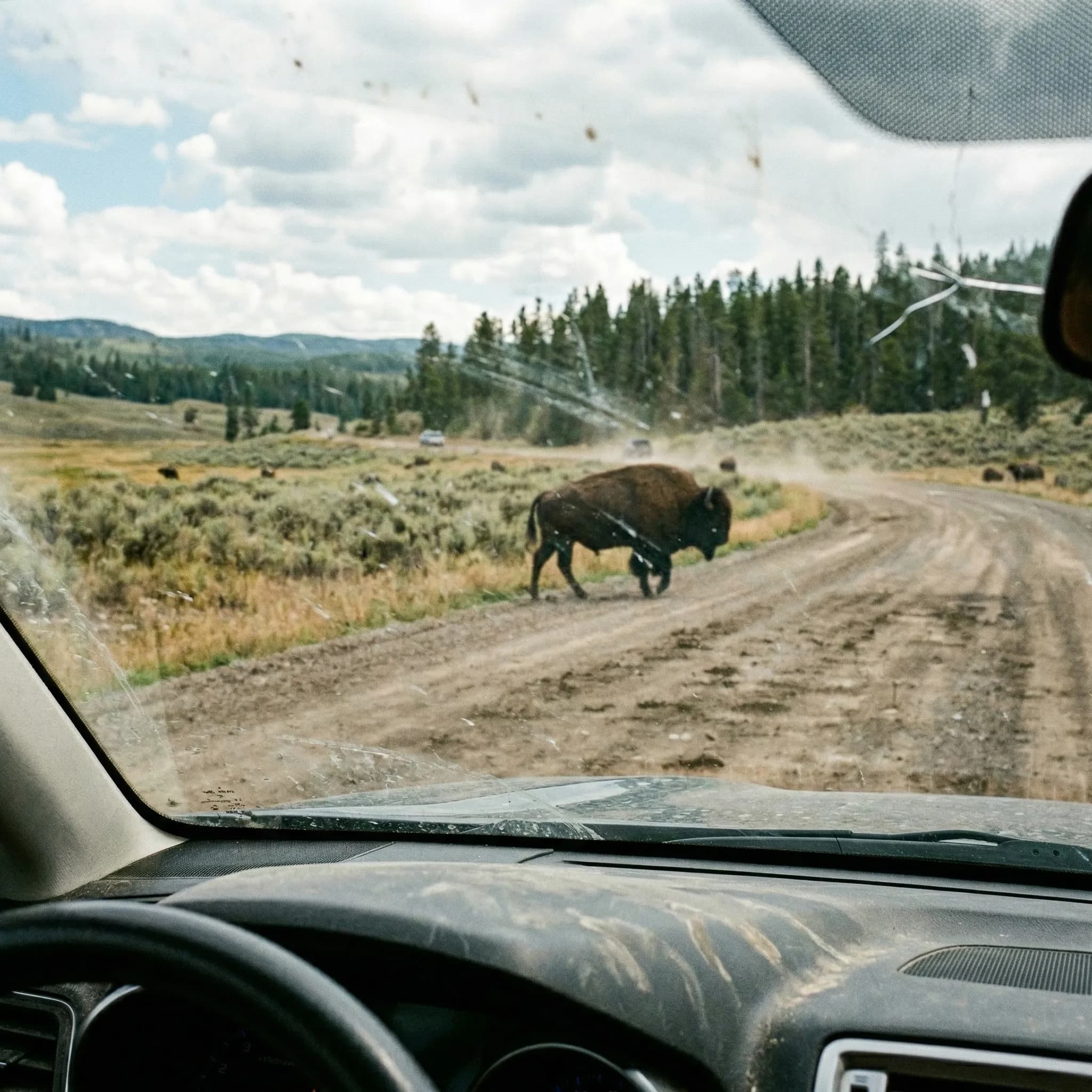
- Bison travel forest roads and can be unpredictable if surprised
- Elk and moose occupy meadows and will move if approached
Management: Our guides maintain awareness and know protocols for each species. Staying on established trails, traveling in groups, and making noise while riding (ATVs do this naturally) substantially reduce encounter risk. In 25 years of guide operations in the region, serious wildlife incidents are extremely rare.
Trail Hazards: Typical mountain trail hazards include:
- Ruts and washboard (common on rocky sections)
- Fallen trees and branches (especially after storms)
- Rocky outcrops and ledges on technical trails
- Soft shoulders where trail drops off
- Mud holes disguising depth
Management: Our guides pre-ride routes, brief riders on specific hazards, and adjust pace and route based on conditions. Single-file spacing prevents pile-ups if a rider experiences difficulty.
Injury Prevention and Equipment
Protective Gear: All Nomad Yellowstone riders wear:
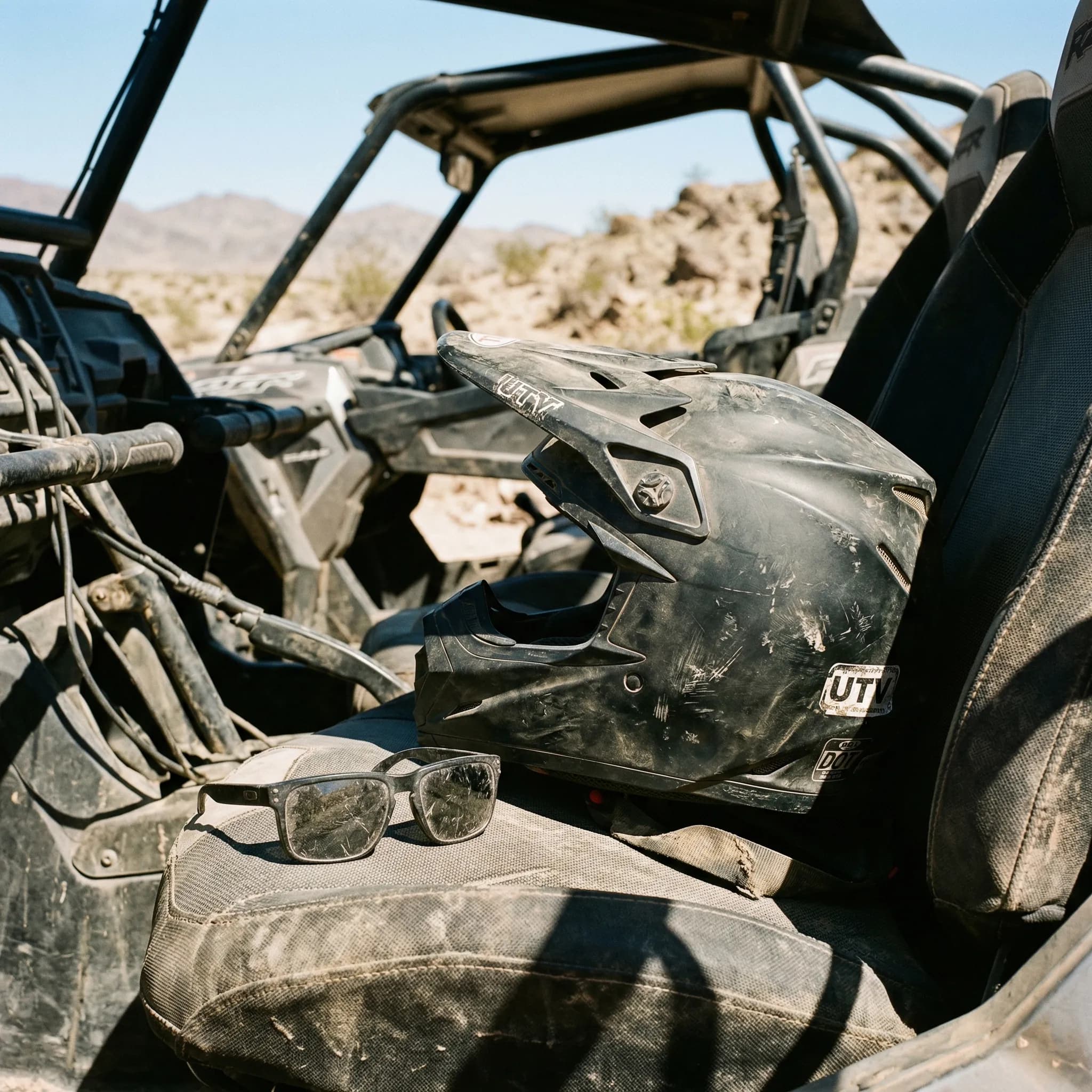
- DOT-approved helmet (non-negotiable—prevents 80% of serious head injuries)
- Over-the-ankle boots with lateral support
- Long pants and long sleeves (our gear provided)
- Gloves (control and protection)
- Eye protection (dust and sun)
This equipment reduces injury severity by 60–70% in minor incidents.
Rider Fitness and Ability: ATV riding requires:
- Grip strength (arms and legs) to control the vehicle
- Core stability to manage acceleration, braking, and turns
- Mental acuity for hazard recognition at speed
- Confidence in your abilities
Our guides assess capability during the safety briefing and pair inexperienced riders with easier routes. Nomad Yellowstone tours are specifically designed for mixed-ability groups.
Pre-Ride Briefing: Every tour includes mandatory safety instruction covering:
- Vehicle controls and operation
- Hand signals for group communication
- What to do if you fall or lose control
- Hazard recognition and response
- Emergency protocols and communication
Comparison to Other Backcountry Activities
Riding with Nomad Yellowstone involves less inherent risk than:
- Backcountry hiking (fewer trip hazards on ATVs, more stable platform)
- Mountaineering (no exposure risk, no technical climbing)
- Horse packing (ATV is more predictable than a pack animal)
It involves comparable risk to:
- Downhill skiing (speed, terrain navigation, equipment required)
- Rock climbing (skill-dependent, managed with proper instruction)
Medical Emergencies
Serious ATV injuries, while uncommon with proper technique, do occur:
- Most common injuries: ankle/knee sprains, wrist fractures, shoulder dislocations
- Catastrophic injuries (spinal, head) are rare but possible
Nomad Yellowstone's approach:
- All guides trained in Wilderness First Responder certification (minimum)
- Mandatory helmet use eliminates most head injuries
- Tours remain on established trails and maintained roads (avoid extreme exposure)
- Maximum group size ensures faster emergency response
- GPS and satellite communicators on hand for remote contact
- West Yellowstone hospital is 20–30 minutes away by vehicle
Managing Your Personal Risk
Your safety is your responsibility:
- Be honest about your skill level. Tell guides about your experience.
- Follow all instructions. Guides have real-time trail knowledge you don't.
- Wear all provided safety gear. No exceptions.
- Communicate if uncomfortable. Guides can slow pace, change routes, or end tours.
- Stay sober. Alcohol impairs judgment and balance—ATV riding demands both.
- Don't exceed your limits. The trails aren't going anywhere.
Why Guided Tours Are Safer
Professional guidance reduces risk significantly:
- Route knowledge: Guides know current conditions and hazards
- Emergency response: Group riders help if someone has trouble
- Equipment maintenance: Nomad Yellowstone maintains all ATVs to safety standards
- Legal compliance: Operating on correct trails, proper permissions
- Instruction: Professional briefing corrects mistakes before they become hazards
- Peer learning: Watching experienced riders improves your technique
The Bottom Line
The Yellowstone region is genuinely safe for ATV riding when you:
- Use proper equipment
- Follow guide instructions
- Stay aware of weather and hazards
- Respect the environment and wildlife
- Ride within your ability
Mountain activities always carry inherent risk—that's part of what makes them rewarding. But the trails near West Yellowstone, combined with professional guidance and proper preparation, offer an excellent risk-to-reward balance. Thousands of riders safely explore these backcountry areas every season.
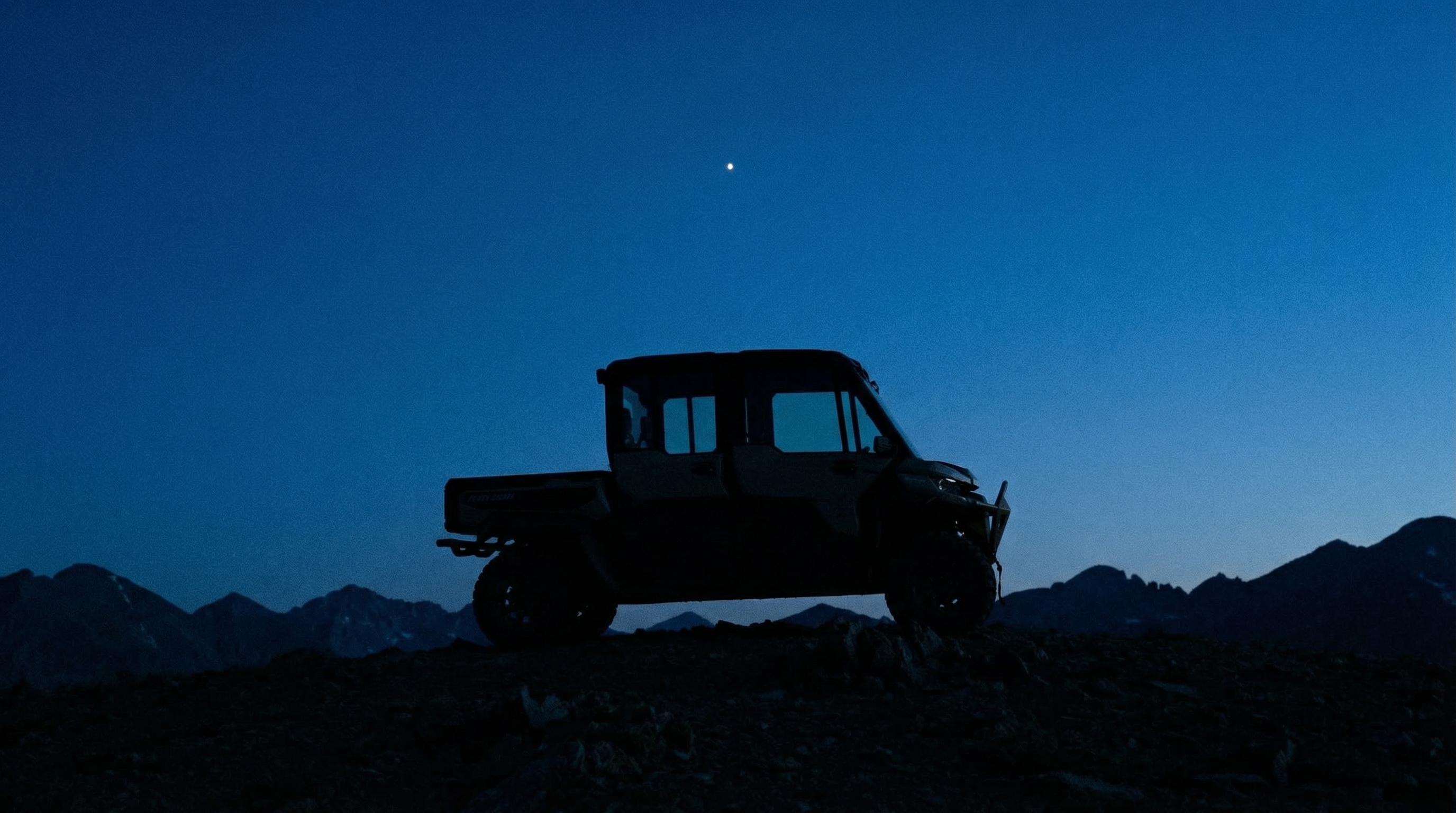
Ready to Ride?
Experience the Yellowstone backcountry on a guided ATV expedition. 3-hour tours daily, May through October.
Check AvailabilityReady to Go?
Don't just read about it. Experience the wilderness yourself on our premium guided electric-ATV tours.
Check Availability