Island Park Wildlife Viewing: Prime Habitat Right from Our Base
★ Key Takeaways (TL;DR)
Explore the unique wildlife near Island Park and how ATV access reaches remote habitat that road-based viewers miss. For 2026, the prime window is June through September. Book early for sunrise/sunset slots.
Island Park and surrounding ecosystems—just minutes from Nomad Yellowstone's base—offer wildlife viewing opportunities that rival Yellowstone's famous valleys, with the advantage of lower crowds and intimate habitat access.
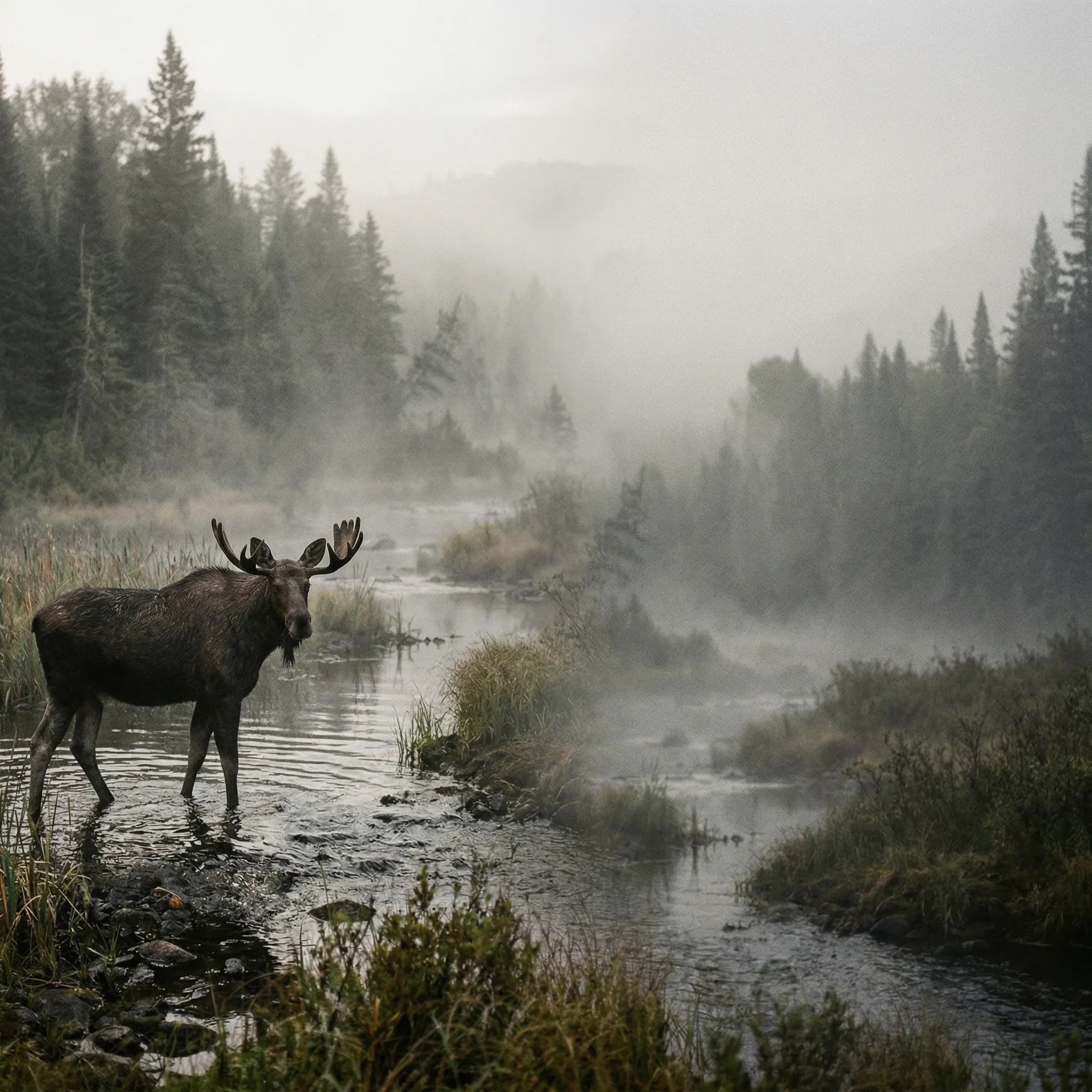
Moose are Island Park's signature species. The Henry's Fork wetlands and tributary drainages provide moose's preferred habitat: aquatic vegetation, willows, and aspen. Early morning and dusk, moose wade into marshes and ponds, foraging underwater plants. Spring brings calves; fall concentrates moose during rut. Island Park genuinely offers better moose viewing than Yellowstone proper.
Elk concentrate in Island Park's meadows and forest edges. Fall rut drives herds to lower elevations where bugling bulls and harem gatherings create wildlife spectacle. Elk herds in Island Park valleys are less tourist-pressured than Yellowstone herds, making them less wary.
Osprey fish the Henry's Fork and tributary streams. These skilled hunters dive-catch trout with dramatic precision. Spring (breeding season) through early fall, osprey nesting and fishing provide constant activity viewing.
Otters inhabit stream systems. While elusive, otters are present in Island Park waterways. Patient observers spotting otters observe pure play behavior—sliding, wrestling, cooperative fishing.
Black bears range Island Park forests and meadows. While less concentrated than Yellowstone bears, they're present, particularly spring-summer when vegetation draws them to lower elevations.
Mule deer are reliable. Forest edges and meadow transitions host foraging deer, particularly early morning and dusk.
Beavers construct extensive dam systems, altering hydrology and creating wetlands that support moose and other wildlife. Their engineering is observable and the ecological effects obvious.
Bison occasionally range north from Yellowstone into Island Park grasslands, though they're less reliable than in park valleys.
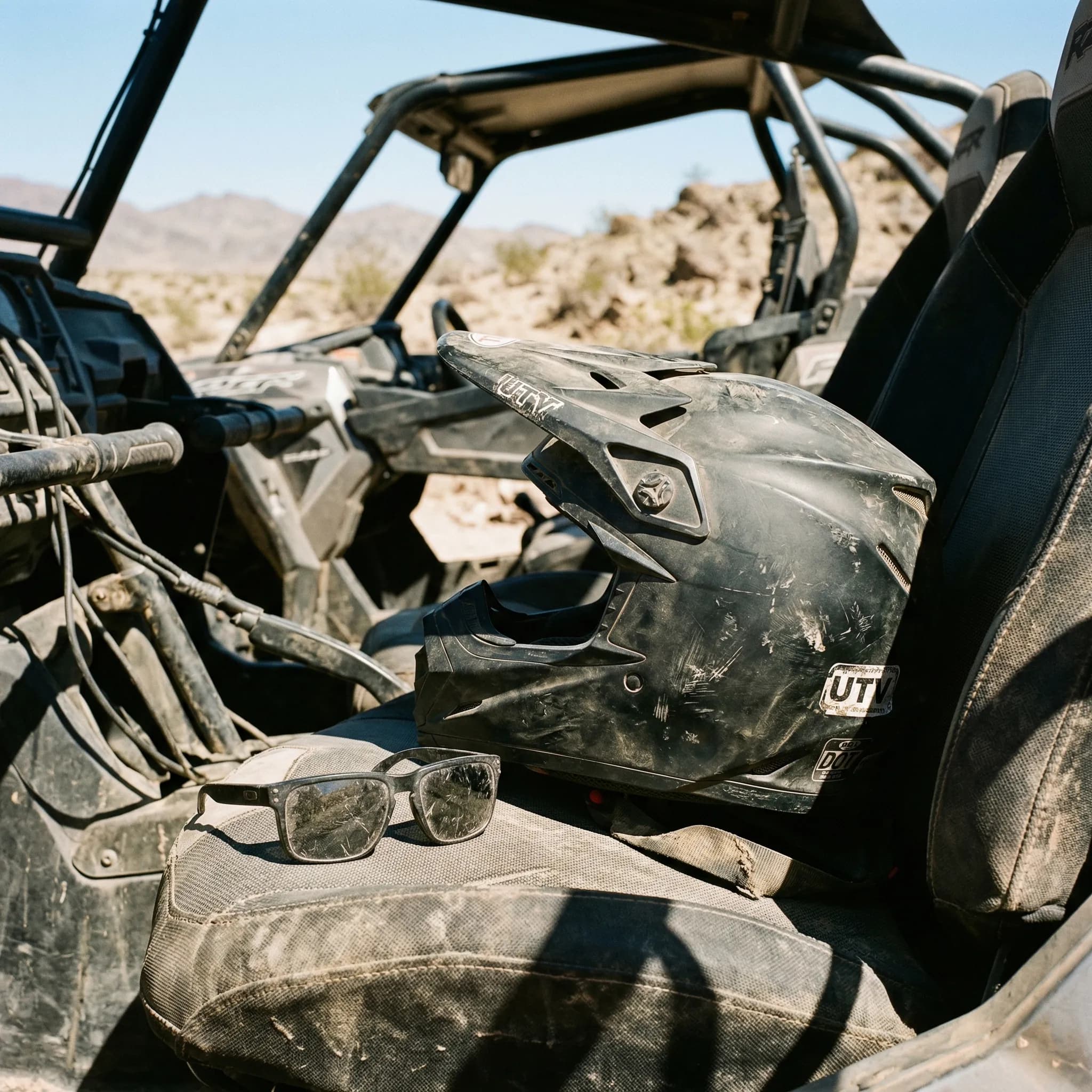
Mountain biking and hiking access limited terrain. Vehicles restrict access further. ATV access—which Nomad Yellowstone's guided tours provide—opens remote wetlands, forest drainages, and meadows where wildlife concentrates away from human pressure. ATV routes reach Henry's Fork drainage moose habitat, interior forest areas where elk calve, and stream systems where osprey and otters thrive.
Early morning and evening ATV departures position you during peak wildlife activity. Your guide understands local habitat intimately—which wetlands host moose, where elk calves drop, which streams support osprey. This transforms Island Park from generic forest into specifically understood wildlife ecosystem.
Island Park authentically rivals Yellowstone for quality wildlife viewing, with the distinct advantage of accessibility via ATV and reduced human pressure.
Nomad Yellowstone runs guided ATV expeditions from Island Park, Idaho — 20 minutes from West Yellowstone. Morning, Mid-Day, and Evening tours daily, April 15 through October 31. No experience required.
Experience It From the Backcountry.
Guided ATV expeditions through Yellowstone's surrounding wilderness. Daily departures May through October.
Check AvailabilityGuided Backcountry ATV Tours
Deploy from Island Park (20 mins from West Yellowstone). Explore rugged mountain trails that standard tourists never see. Daily departures.
Ready to Go?
Don't just read about it. Experience the wilderness yourself on our premium guided electric-ATV tours.
Check Availability