ATV Tour Packing List
★ Key Takeaways (TL;DR)
Essential items for ATV tours near Yellowstone: water, snacks, sunscreen, medications, layers. Nomad Yellowstone tour preparation checklist. For 2026, the prime window is June through September. Book early for sunrise/sunset slots.
Guided Backcountry ATV Tours
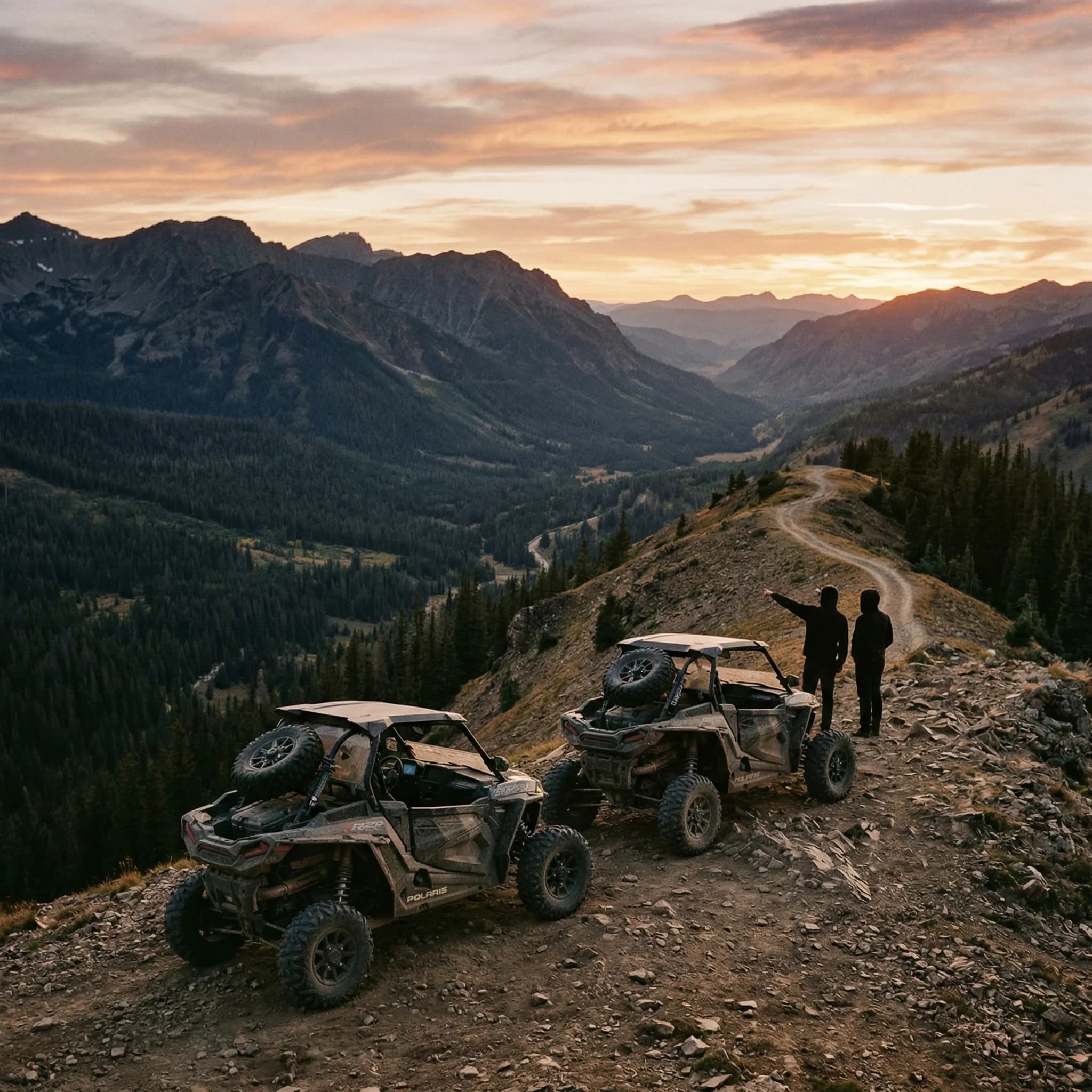
Deploy from Island Park (20 mins from West Yellowstone). Explore rugged mountain trails that standard tourists never see. Daily departures.
What Should I Bring on an ATV Tour Near Yellowstone?
Successful backcountry ATV touring requires more than just showing up with a helmet. You'll need hydration, nutrition, sun protection, and emergency items. Our 3-hour tours take you 15–35 miles into remote terrain where self-sufficiency matters.
Water and Hydration (Critical)
How Much Water to Bring: At elevation with physical exertion and dry mountain air, dehydration occurs rapidly:
- Minimum: 2–3 liters (64–96 oz) per person for a 3-hour tour
- Better: 3–4 liters if you perspire heavily or ride in summer heat
- Best practice: Carry more than you think you'll need—there are no water sources on most Island Park trails
Container Options:
- Hydration backpack with 2–3 liter bladder (hands-free sipping while riding)
- Water bottles in a small backpack or strapped to the ATV
- Avoid glass containers (breakage risk in a fall)
- Insulated bottles keep water cool in summer heat
Why hydration is critical:
- Elevation (6,800–8,400 feet) accelerates dehydration
- Dry mountain air wicks moisture from skin and lungs
- Physical exertion maintaining throttle and balance burns calories and creates heat
- Dehydration reduces cognitive function—judgment deteriorates before you feel thirsty
- Altitude sickness symptoms (headache, nausea) worsen with dehydration
Drinking strategy:
- Don't wait until you're thirsty—drink at scheduled breaks
- Aim for 4–8 oz every 15–20 minutes of riding
- Drink more in afternoon heat, less in cool morning/evening rides
Nomad Yellowstone runs guided ATV expeditions daily from Island Park, Idaho — just 20 minutes from West Yellowstone. Morning, Mid-Day, and Evening departures. No experience required.
Food and Snacks
Why Food Matters: A 3-hour ATV ride is moderately demanding physically. Low blood sugar causes:
- Fatigue and weakness (dangerous when operating machinery)
- Poor decision-making
- Difficulty concentrating on trail hazards
- Irritability and reduced enjoyment
Recommended Snacks:
- Trail mix (nuts, dried fruit, chocolate) – High calories, portable, no prep needed
- Energy bars – Convenient, satisfying, typically 200–300 calories
- Fruit (apples, oranges, bananas) – Natural sugars, hydrating, easy to pack
- Sandwiches or wraps – If you want a substantial meal (bring for post-tour)
- Peanut butter and crackers – Protein and carbs, long shelf life
- Granola or cereal bars – Lightweight, no spoilage risk
- Jerky or nuts – Protein for sustained energy
Avoid:
- Heavy, greasy foods – Hard to digest while riding; may cause nausea with elevation
- Excessive sugar without protein – Causes blood sugar crash
- Foods that require water to eat – Bread without a drink causes choking risk
- Dairy products (without cooling) – Spoil quickly at elevation in summer
- Alcohol – Impairs judgment and accelerates dehydration
Quantity: Bring 300–500 calories of snacks for a morning or evening tour, 500–800 for a full mid-day tour. You won't want a full meal while riding, but fuel is essential.
Sun Protection
Sunscreen
- UV index at 8,000+ feet is 25–40% higher than sea level
- Reflection off rock and snow amplifies exposure
- Apply SPF 30+ broad-spectrum sunscreen before the tour
- Reapply after sweating, water crossings, or every 1.5–2 hours
- Nomad Yellowstone provides basic sunscreen, but bring your preferred brand if sensitive or using specific SPF
Lip Balm with SPF
- Lips burn rapidly at elevation
- Chapped lips become painful on windy rides
- Bring a single stick—lightweight and essential
Hat or Visor (Optional)
- Protects forehead and ears from sun
- Helmet prevents traditional hats; neck gaiters or bandanas work
- Some riders use a lightweight sun hat for breaks
Bug Spray (May–September)
- Mosquitoes can be intense near water crossings in early summer
- Bring DEET-based repellent if you're sensitive
- Spring (May–June) worse than summer
Personal Medications and Medical Items
Bring Any Prescription Medications:
- Altitude-related medications (if prescribed for elevation sickness)
- Inhalers (asthma, exercise-induced)
- Cardiac medications
- Any regularly-scheduled prescriptions
Over-the-Counter Medications to Consider:
- Acetaminophen or ibuprofen – For headaches (altitude-related or otherwise)
- Antacid – Elevation and vibration can upset stomachs
- Anti-diarrheal – In case food or water affects digestion
- Antihistamine – Allergies or bug bite reactions
Bring Your Own or Know What Nomad Yellowstone Provides:
- We carry a basic first aid kit for minor cuts, scrapes, and blister treatment
- We do NOT carry prescription medications—you must bring your own
- SAM splint and triangular bandage for injuries
- Wilderness first responder-trained guides
Navigation and Communication
Identification and Proof of Payment:
- Driver's license (required, especially if younger than 25)
- Reservation confirmation or printed receipt
- Insurance card (for emergencies, though rarely needed)
Phone and Communication:
- Cell service is spotty but available in lower elevations
- Nomad Yellowstone guides carry satellite communicators (Garmin inReach) for emergencies
- Bring your phone for personal use, but don't rely on it for emergencies
- Download maps offline if you're tech-oriented (unnecessary for guided tours, but good backup)
Credit Card or Cash:
- For tips (common practice for guide services)
- For post-tour purchases (food, drinks, souvenirs in West Yellowstone)
- Nomad Yellowstone accepts card payments, but tips and extras are up to you
Environmental and Leave-No-Trace Items
Trash Bag
- Pack out all trash: wrappers, bottles, cans, food scraps
- Bring a small bag specifically for waste
- Leave No Trace principle: "Take only pictures, leave only footprints (and tire tracks)"
Biodegradable Wipes or Washcloth
- Hands get dusty; clean before eating or removing helmet
- Prevents ingesting trail dust with food
Toilet Paper and Cathole Supplies (For Extended Tours)
- Our 3-hour tours stay on main trails; bathroom facilities aren't needed
- If you need to use the bathroom during the tour, inform your guide
- We can identify private/discreet areas
Camera and Documentation
Camera or Phone Camera
- The Yellowstone region is photogenic; capture memories
- Lightweight; doesn't encumber riding
- Bring a neck strap or secure pouch to prevent drops
Backup Battery or Power Bank
- Keep phone charged for emergencies
- 10,000 mAh portable battery is lightweight and sufficient
Clothing and Gear Adjustments
Extra Gloves or Liner Gloves (Spring and Fall)
- Hands lose heat rapidly while riding
- Carrying backup gloves allows swapping if they get wet
- Thin silk liners under riding gloves add warmth
Socks
- Bring an extra pair (moisture-wicking, wool or synthetic)
- If trails are muddy, wet feet become miserable on a 3-hour ride
- Thicker socks (merino wool) provide warmth and blister prevention
Windproof Layer
- We provide basic wind protection, but personal preference varies
- A thin, packable windproof jacket stows easily
Special Considerations
For Pregnant Riders:
- Consult your doctor before riding (vibration and impact not ideal during pregnancy)
- If cleared, hydration and nutrition are MORE critical
- Bring extra water and snacks
- Inform guides of your status for route selection
For Older Riders or Those with Mobility Issues:
- Bring any mobility aids or comfort items
- Extra padding (seat cushion) if you have back sensitivity
- Anti-inflammatory medications if you have joint concerns
- Inform guides so they can adjust pace or route
For Riders with Dietary Restrictions:
- Nomad Yellowstone doesn't provide meals, only stops
- Bring snacks that fit your diet (vegan, gluten-free, nut-free, etc.)
- Communicate restrictions to guides in advance
For Riders with Anxiety or PTSD:
- Consider bringing comfort items (stress ball, music player with calming playlist)
- Inform guides of any triggers (heights, speed, confined spaces)
- Our guides can modify pace and route accordingly
Packing Strategy
Small Backpack (10–20 Liter Capacity): Easiest way to carry items while riding:
- Keep it balanced and not too heavy (back pain on long rides)
- Distribute weight evenly
- Avoid dangling straps that catch on vegetation
Secured on ATV:
- Some items can strap to the rear cargo rack
- Work with your guide to secure items before departure
- Verify nothing will fall or come loose during riding
In Your Pockets:
- Minimal—avoid heavy pockets that unbalance you or catch if you fall
- Phone, wallet, ID in small pouch if possible
What NOT to Bring
- Heavy, bulky items that restrict movement
- Glass containers (breakage risk)
- Anything easily lost or expensive (if it falls, it's gone in the brush)
- Alcohol (impairs judgment, accelerates dehydration)
- Weapons or fireworks (illegal in National Forests)
- Pets (not permitted; dangerous around ATVs)
- Drones (require permits and awareness of airspace)
A Sample Packing List for Your 3-Hour Tour
In a small backpack:
- Water bottle or hydration bladder (3 liters)
- Trail mix or energy bars (300–500 calories)
- Sunscreen and lip balm
- Phone and ID
- Small first-aid items (blister treatment, band-aids)
- Trash bag for cleanup
- Extra gloves (if spring/fall)
- Camera
Worn or in pockets:
- Boots (you're wearing them)
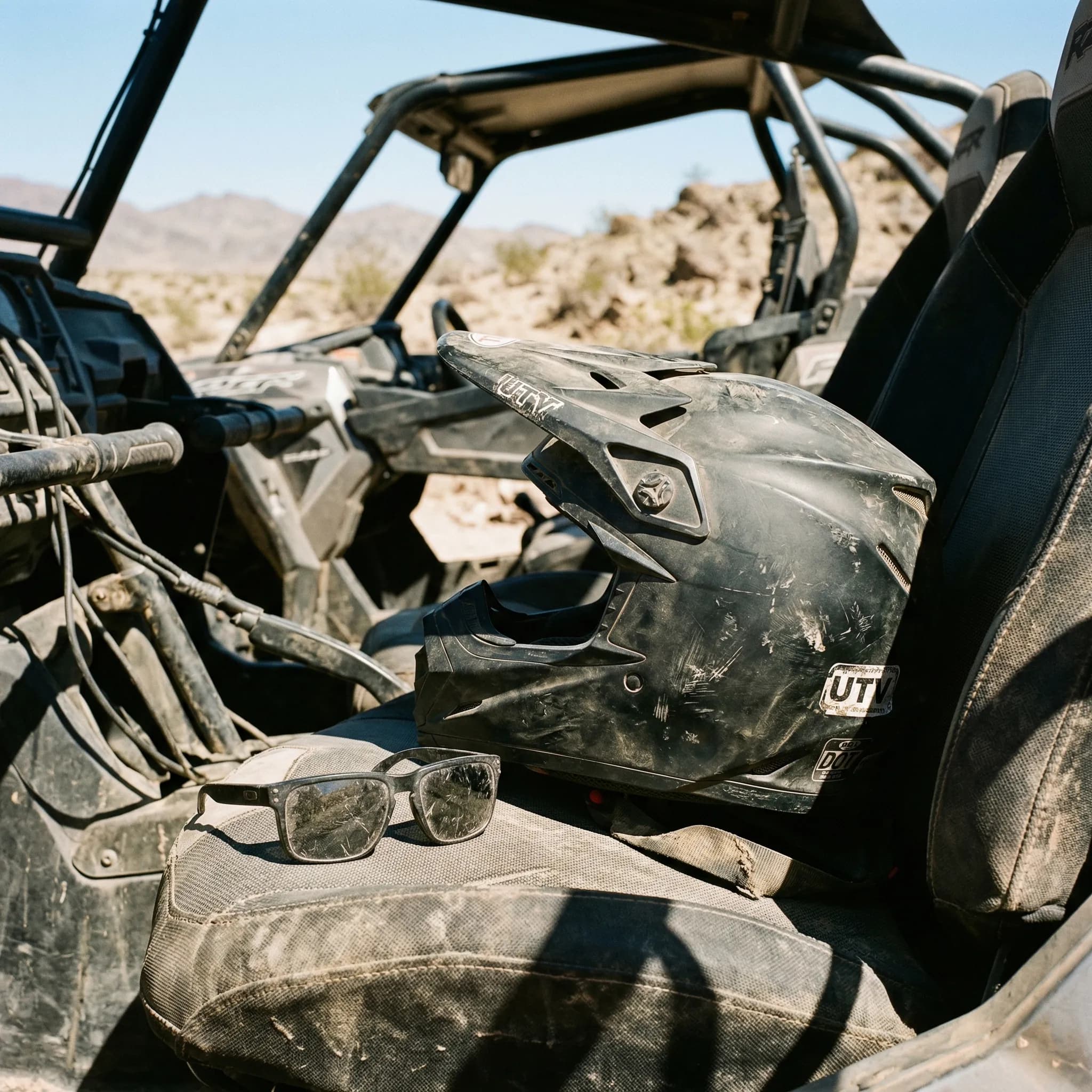
- Helmet (guide provides or you bring)
- Riding jacket (provided or you bring)
- Base layers and outer layer
- Gloves (provided or you bring)
Left in your car (for after the ride):
- Change of clothes
- Toiletries and water for shower
- Post-tour snacks or meal
Final Pre-Tour Checklist
Before arriving at Nomad Yellowstone for your tour:
- ✓ Drink water the night before (arrive hydrated)
- ✓ Eat a light breakfast 1–2 hours before the tour
- ✓ Pack your water and snacks
- ✓ Bring ID, phone, medications
- ✓ Wear proper boots (no exceptions)
- ✓ Apply sunscreen
- ✓ Confirm weather and adjust layers accordingly
- ✓ Inform guides of any health concerns or dietary restrictions
Proper preparation transforms a good tour into an unforgettable experience. Most riders who have difficulty on tours regret not bringing enough water or snacks. This is easily preventable.
Ready to Ride?
Experience the Yellowstone backcountry on a guided ATV expedition. 3-hour tours daily, May through October.
Check AvailabilityReady to Go?
Don't just read about it. Experience the wilderness yourself on our premium guided electric-ATV tours.
Check Availability