ATV Tour Clothing Guide
★ Key Takeaways (TL;DR)
Complete guide to ATV tour attire: protective gear, layers, boots, and weather-specific clothing for West Yellowstone backcountry riding. What Nomad... For 2026, the prime window is June through September. Book early for sunrise/sunset slots.
Guided Backcountry ATV Tours
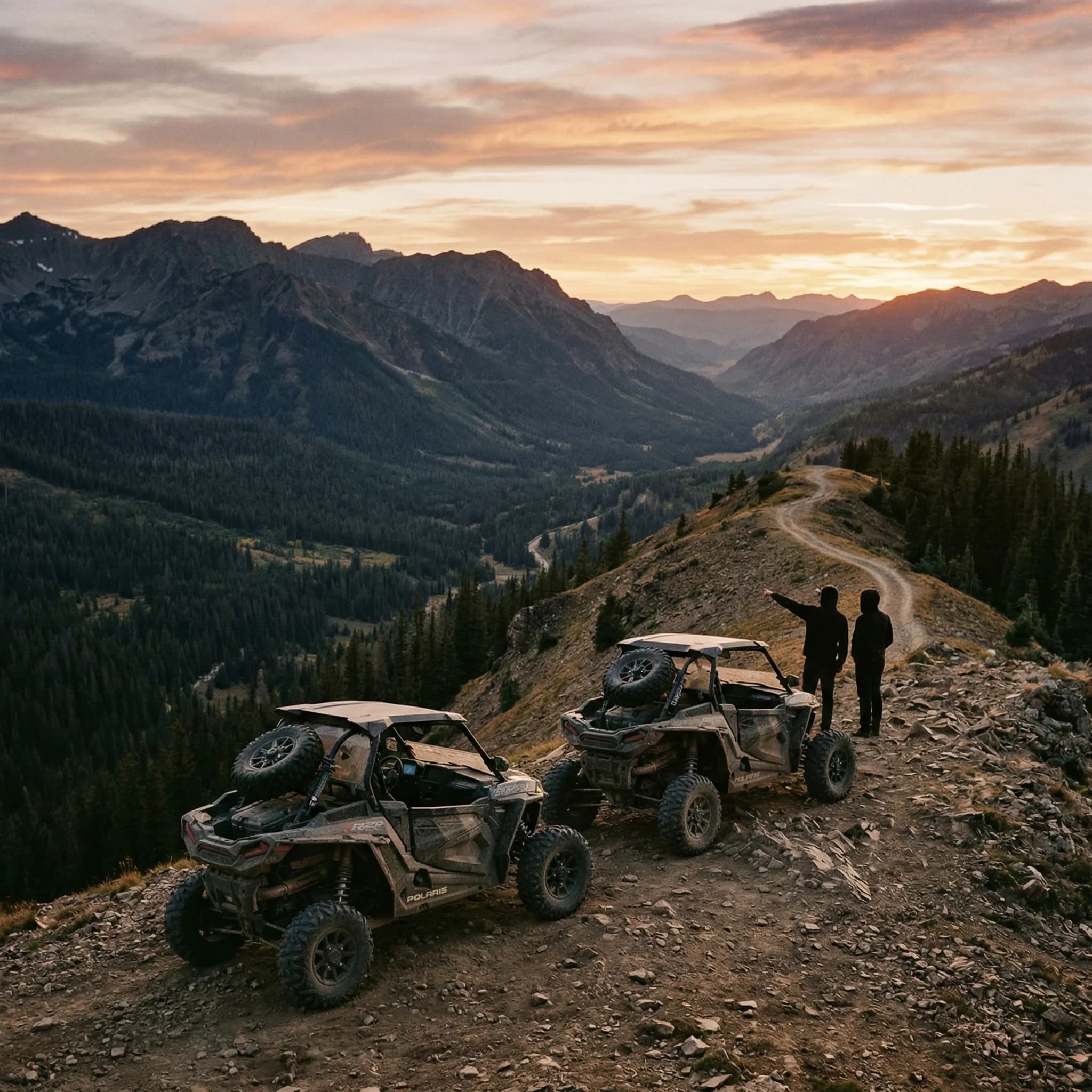
Deploy from Island Park (20 mins from West Yellowstone). Explore rugged mountain trails that standard tourists never see. Daily departures.
What Should I Wear on an ATV Tour?
Proper clothing is essential for both safety and comfort on ATV tours. The Yellowstone region's variable weather—combined with elevation changes and wind exposure while riding—requires strategic layering and protection.
Core Protective Gear (Non-Negotiable)
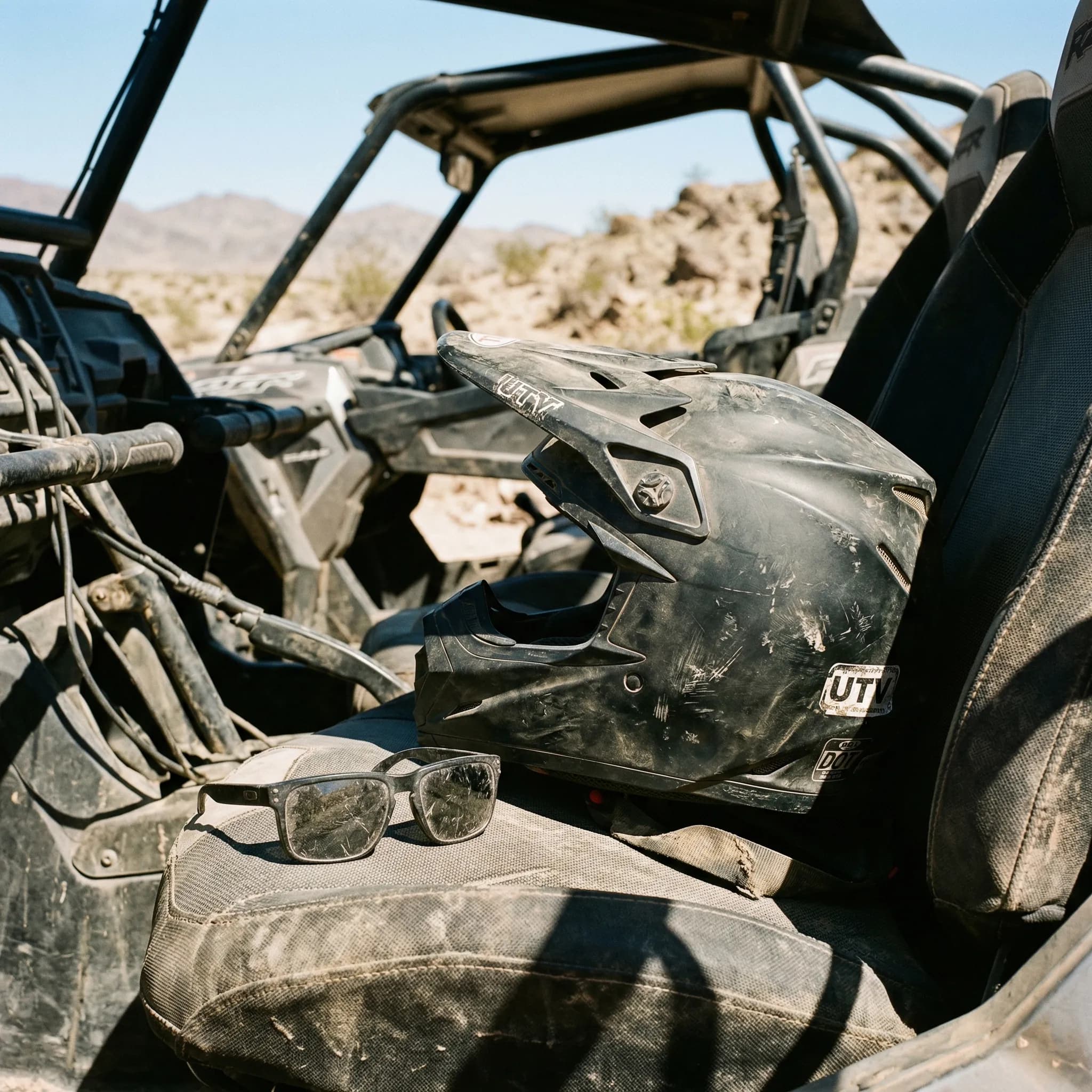
Helmet DOT-approved helmet is the single most important piece of safety equipment. Nomad Yellowstone provides helmets for all riders.
- Protects against head injuries in falls
- Reduces injury severity by 80%+ in crashes
- Shields face from wind, dust, and bugs
- All our helmets meet DOT standard and include chin straps
Long Pants Mandatory, regardless of temperature:
- Protects legs from trail debris, brush, and sun
- Shields from contact with hot engine or muffler
- Provides grip assist when mounting/dismounting
- Durable denim (14+ oz) or purpose-built riding pants preferred
What Nomad Yellowstone provides: Full-length canvas or denim riding pants that cover ankles. Loose enough for comfortable leg movement, tight enough to stay clear of the ATV's chain and sprocket.
Long-Sleeve Shirt or Jacket Always required, even on warm days:
- Sun protection at elevation (UV damage at 8,000 feet is 40% stronger than sea level)
- Wind protection while riding (temperature drops with speed)
- Abrasion protection from falls
- Dust and debris blocking
What to wear: A breathable long-sleeve shirt in technical fabric (polypropylene, merino wool, or polyester blend) that wicks moisture. In cooler seasons, we provide protective riding jackets.
Boots Proper footwear is critical for ATV riding:
- Covers ankles fully (twist injuries are common)
- Rigid sole supports foot on narrow foot pegs
- Oil and heat resistant (protect from engine/muffler contact)
- At least 8 inches tall with lateral ankle support
Acceptable: Hiking boots, motorcycle boots, work boots with ankle support, or purpose-built ATV boots. Cross-trainers and sneakers are insufficient.
Not acceptable: Sandals, flip-flops, shoes with flexible soles, or low-tops that don't cover ankles.
Gloves Protect hands and improve control:
- Cushion vibration on long rides
- Provide grip on handles in damp conditions
- Prevent blisters from throttle/brake constant engagement
- Protect against sun exposure on the back of hands
What Nomad Yellowstone provides: Riding gloves designed for ATVing—typically leather or synthetic with reinforced palms and grip enhancement.
Eye Protection Required for safety and visibility:
- Shields eyes from dust, bugs, and wind
- Reduces eye strain from sun glare
- Options: glasses, goggles, or helmet with integrated shield
If your helmet doesn't have a built-in visor, we provide safety glasses.
Nomad Yellowstone runs guided ATV expeditions daily from Island Park, Idaho — just 20 minutes from West Yellowstone. Morning, Mid-Day, and Evening departures. No experience required.
Layering for Elevation and Weather
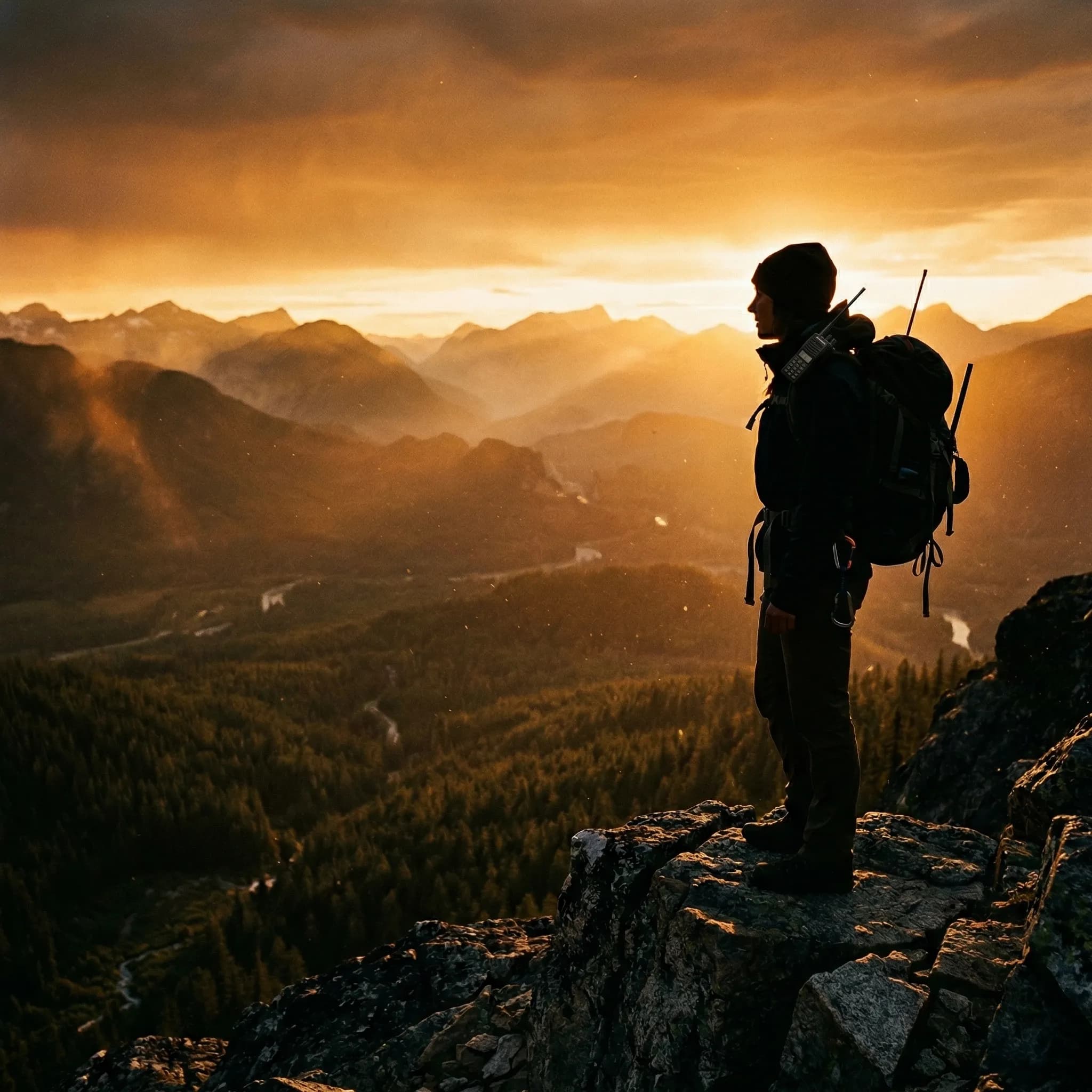
The Yellowstone region's elevation creates distinct thermal zones. A day that's 75°F in West Yellowstone town (elevation 6,800 ft) will be approximately 55°F at Targhee Pass (elevation 8,431 ft), especially with wind chill from riding speed.
Base Layer (Next to Skin) Wick moisture away and regulate temperature:
- Material: Merino wool, polypropylene, or synthetic blends (NOT cotton—cotton absorbs sweat and loses insulation)
- Thickness: Light to midweight depending on season
- Spring (May–early June): Lightweight merino or synthetic
- Summer (July–September): Lightweight technical fabric
- Fall (late September–October): Midweight merino or fleece
Mid Layer (Insulation) Traps heat and provides additional protection:
- Fleece jacket, wool sweater, or synthetic insulation jacket
- Lighter mid-layers are better than one thick layer (easier to adjust)
- Packable—stow if warming up during the ride
- Season-dependent: Not always needed mid-summer; essential in May and October
Outer Layer (Wind and Weather) Protects from wind, precipitation, and UV:
- Lightweight windproof jacket or long-sleeve riding shirt with tightly woven fabric
- Nomad Yellowstone provides riding jackets for cooler tours
- If it's cold enough to see your breath in the morning, an outer layer is non-negotiable
Seasonal Clothing Recommendations
April 15–May 31 (Spring):
- Expect: 40–65°F in morning, warming to 65–75°F by afternoon; possible light snow at elevation
- Wear: Base layer + midweight fleece + outer jacket. Bring extra insulation you can stow on the ATV
- Boots: Waterproof recommended (trails may be muddy, streams high with snowmelt)
- Gloves: Necessary—hands lose heat rapidly while riding
June–August (Summer):
- Expect: 55–80°F depending on elevation; afternoons pleasant at higher elevation
- Wear: Lightweight base layer + light windproof jacket (temperature drops with speed)
- Boots: Any proper riding boots; moisture less critical
- Gloves: Still needed for comfort and control
- Sun protection: Apply sunscreen to exposed skin (high UV at elevation)
September–October 31 (Fall):
- Expect: 35–70°F; mornings cold, afternoons pleasant; early snow possible above 8,500 feet by late October
- Wear: Base layer + midweight insulation + outer windproof jacket
- Boots: Waterproof important (wet leaves, stream crossings)
- Gloves: Mandatory—frost possible in early mornings
- Layering flexibility: Wear everything at departure; remove layers as body warms
Sun Protection
Ultraviolet radiation is 25–40% stronger at 8,000+ feet elevation than sea level.
- Apply broad-spectrum SPF 30+ sunscreen to all exposed skin before touring
- Reapply after sweating or water crossings
- Cover ears and back of neck—often-forgotten burn spots
- Sunglasses or helmet visor protects eyes
- Light-colored, long-sleeve clothing provides passive UV protection
Avoiding Dangerous Clothing
Never wear:
- Loose, billowing fabrics – Can catch on ATV controls or terrain
- Open-toed shoes – Feet contact rocks, brush, and debris
- Sandals or flip-flops – Zero ankle support, zero protection
- Shorts – Legs have no protection from sun, debris, heat
- Jewelry, loose chains, or scarves – Risk of entanglement
- Heavy denim or stiff fabrics – Restrict movement and comfort
- Wet clothing – Evaporative cooling at elevation causes dangerous temperature drop
Personal Items and Extras
Bring or wear:
- Sunscreen – Nomad Yellowstone provides basic sunscreen, but bring your preferred brand
- Sunglasses – Backup pair if riding glasses aren't secured
- Bandana or gaiter – Optional but useful for dust on rocky sections
- Small backpack or bag – Stow layers, water bottle, or personal items
- Watch or timer – Helps you track ride duration (standard tours are 3 hours)
Physical Considerations
For Women: ATV riding doesn't require specialized women's gear, but consider:
- Form-fitting protective jackets and pants available if preferred
- Sports bra or chest protector if desired
- Same safety standards apply
For Children: Scaling down doesn't mean sacrificing safety:
- Smaller helmets, gloves, and boots in child sizes provided
- Same protective standards
- Clothing layers scaled to their size
For Plus-Size Riders: Nomad Yellowstone accommodates all body types:
- Extended-size helmets and protective gear available
- ATVs have weight capacity (typically 400+ lbs), but discuss with guides
- Same safety requirements and protection
What Nomad Yellowstone Provides
To maximize safety and comfort, Nomad Yellowstone supplies:
- DOT-approved helmets (multiple sizes)
- Full-length riding pants or chaps
- Protective riding jacket
- Riding gloves
- Eye protection (glasses or goggles)
- Sunscreen
What You Must Bring
- Proper boots (we cannot supply these—feet differ widely)
- Base layers appropriate to the season
- Mid-layers if needed (we can provide jackets, but insulation underneath should be yours)
- Sunglasses or goggles as backup
- Water bottle (we recommend 2–3 liters for a 3-hour ride)
- Sunscreen if you prefer your brand
- Any personal medications or items
Fit and Comfort Checks
Before departure, our guides will:
- Verify helmet fit (should not shift when you move your head)
- Confirm boots are secure and comfortable
- Check that gloves allow finger mobility
- Ensure jacket and pants don't restrict movement
- Make adjustments or provide alternatives if anything feels wrong
Final Recommendation
When in doubt about what to wear, contact Nomad Yellowstone before your tour. Our staff can make specific recommendations based on:
- The date of your tour
- Current weather forecast
- Your requested tour time (morning, mid-day, evening)
- Your location before the tour
Proper attire isn't just about safety—it directly impacts your comfort and enjoyment. A rider in correct gear stays warm, protected, and focused on the experience. A rider in inadequate gear becomes distracted by discomfort and cold, reducing their ability to enjoy the stunning Yellowstone landscape.
Ready to Ride?
Experience the Yellowstone backcountry on a guided ATV expedition. 3-hour tours daily, May through October.
Check AvailabilityReady to Go?
Don't just read about it. Experience the wilderness yourself on our premium guided electric-ATV tours.
Check Availability