See Bears on Yellowstone ATV Tours
★ Key Takeaways (TL;DR)
Chances of seeing bears on Yellowstone ATV tours, grizzly and black bear behavior, seasonal presence, and how Nomad Yellowstone guides maximize wildlife... For 2026, the prime window is June through September. Book early for sunrise/sunset slots.
Guided Backcountry ATV Tours
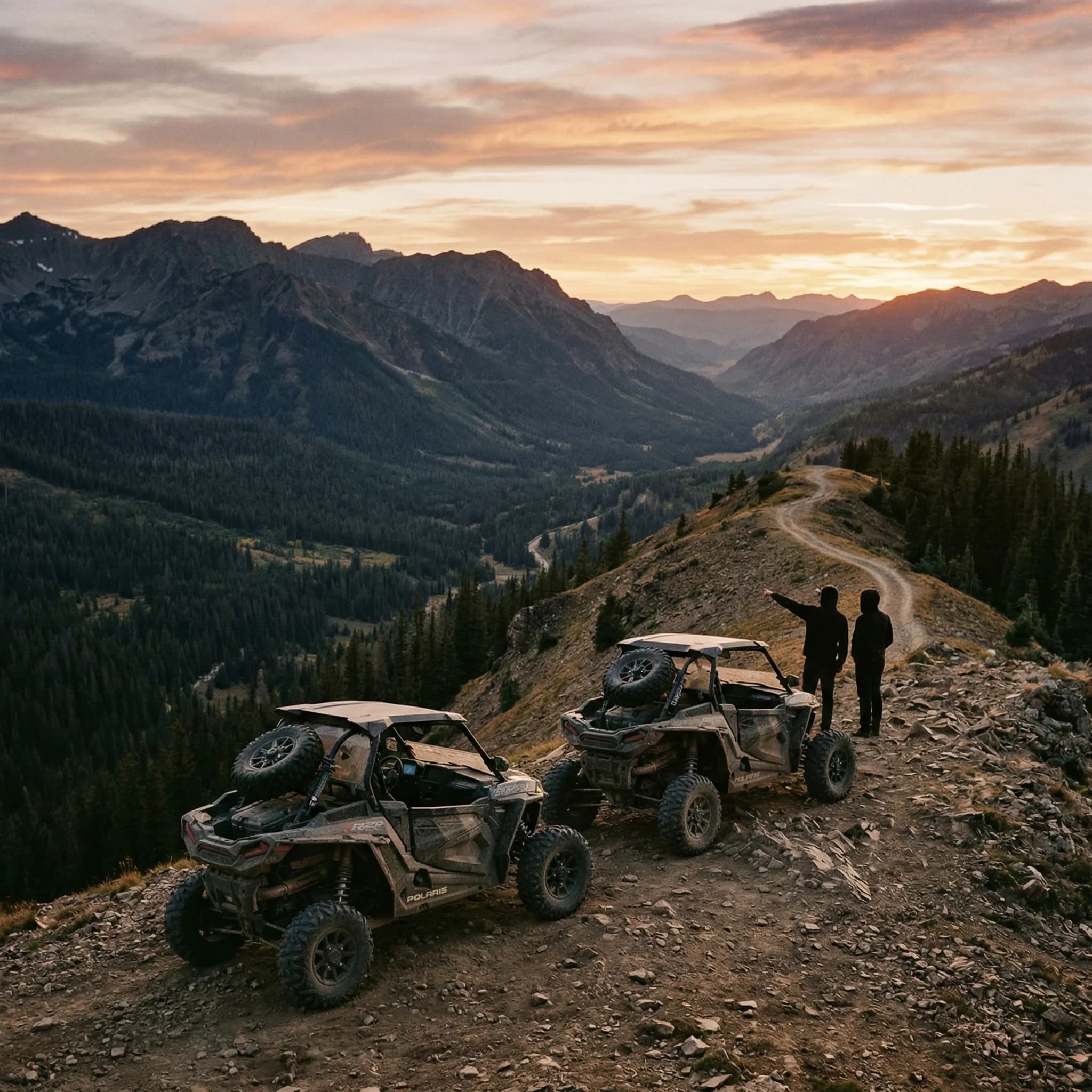
Deploy from Island Park (20 mins from West Yellowstone). Explore rugged mountain trails that standard tourists never see. Daily departures.
Will I See Bears on an ATV Tour Near Yellowstone?
Bear sightings on Yellowstone-area ATV tours are possible but not guaranteed. The Yellowstone ecosystem hosts grizzly and black bears, and guided tours have legitimate chances of wildlife encounters, especially spring through fall. However, setting realistic expectations matters—seeing bears requires specific conditions, timing, luck, and guide expertise. Understanding bear behavior, seasonal presence, and how to maximize viewing odds helps plan a memorable tour experience.
Bear Species & Seasonal Presence
Grizzly Bears: The greater Yellowstone ecosystem (including the Island Park, Idaho area where Nomad Yellowstone operates) hosts an estimated 800-1,000 grizzly bears. They emerge from winter dens in March-April, dispersing to feed on winter kills and emerging vegetation. Spring (May-early June) is prime bear activity season—they're searching for protein sources (elk calves, fish, insects) and concentrated in accessible meadows.
Grizzlies are less active midday (retreating to cooler forest) during hot months (July-August), making early morning and evening tours better for sightings. By September, grizzlies shift focus to berry patches (whitebark pine nuts, chokecherries) and spawning streams, creating excellent late-season viewing opportunities.
Black Bears: More common and less predictable than grizzlies, black bears (2,000-3,000 in the region) inhabit the same forest and meadow habitat ATVs traverse. They're more tolerant of human presence but also more likely to flee when hearing ATV engines. Spring sightings are less common; summer-fall is more productive.
Nomad Yellowstone runs guided ATV expeditions daily from Island Park, Idaho — just 20 minutes from West Yellowstone. Morning, Mid-Day, and Evening departures. No experience required.
Seasonal Odds of Bear Sightings
May-Early June (Peak Grizzly Activity): This shoulder season offers the best odds. Grizzlies are concentrated in open meadows searching for calves and emerging vegetation. Food sources are distributed across accessible terrain. Guide knowledge is critical—experienced Nomad Yellowstone guides know meadows where bears concentrate and approach carefully. Sighting odds: 20-30% on any given tour. Early morning tours maximize odds.
July-August (Hot Months, Lower Grizzly Visibility): Peak season tourism coincides with bears retreating to higher elevations and thermal areas. They're less visible despite larger population numbers. Black bears remain moderately active. Sighting odds: 5-10%. Evening tours have slightly better odds than midday tours.
September-October (Berry Season, Excellent Odds): As bears congregate at spawning streams and berry patches, visibility increases substantially. Nomad Yellowstone guides specifically route tours toward aspen groves and riparian corridors where bears concentrate. Sighting odds: 15-25%. Early morning and evening tours have highest odds.
Why You Might Not See Bears
ATVs are loud. Engines typically operate at 70-80 decibels, and an approaching group of ATVs alerts bears from miles away. Most bears—whether grizzly or black—avoid humans and flee at first engine sound. You might see tracks, scat, or tree markers (claw marks on aspens), but the animal itself remains hidden.
Weather matters significantly. Fresh rain brings insects and vegetation out, improving bear feeding activity. Sunny, hot days push bears into shade, reducing visibility. Wind direction affects how far bears hear approaching ATVs.
Timing within your tour is crucial. A tour hitting a meadow right after bears depart sees no animals. A tour timing a meadow crossing during a bear's active feeding window might have extended observation.
How Nomad Yellowstone Guides Maximize Bear Encounters
Trail Selection: Experienced guides know every meadow, stream crossing, and thermal area in the Island Park region. They understand seasonal bear movements—spring concentration zones differ from summer patterns, which differ from fall berry areas. Guides choose routes with highest sighting probability for the season.
Timing and Pacing: Guides manage tour pacing to cross open areas during peak bear activity windows. Instead of rushing through meadows, they slow down, scan thoroughly, and listen for movement. A guide trained in bear behavior recognizes subtle signs—distant movement, recent scat, fresh digging—and positions the group accordingly.
Noise Management: Guides instruct riders on approach methods. While ATVs are inherently loud, guides minimize unnecessary acceleration and coordinate timing to approach meadows strategically. Some tours include quiet walking segments where riders dismount and glass terrain with binoculars—a technique that occasionally reveals bears missed from moving ATVs.
Radio Communication: Nomad Yellowstone guides maintain radio contact, sharing real-time sighting information. If another guide has spotted bears on an adjacent trail, your guide receives intel and adjusts route accordingly.
Bear Viewing Best Practices
If you're fortunate enough to spot a bear:
- Maintain Distance: Stay at least 25 yards from black bears, 100 yards from grizzlies (legally required). Guides manage this.
- Avoid Sudden Movements: Stop ATVs smoothly, avoid loud voices or sudden engine acceleration.
- Don't Block Escape Routes: Never position yourself between a bear and its escape route.
- Don't Approach Cubs: If you see a cub, the mother is nearby. Never approach.
- Let the Guide Lead: Your guide's safety protocols exist because they've managed hundreds of bear encounters.
Post-Sighting Behavior
Wilding bears are unpredictable. A bear you see might stand and stare (common), might flee (most common), or might approach (rare but critical). Nomad Yellowstone guides are trained in de-escalation. They know when to rev the engine (startles bears away), when to back up slowly, and when to create distance.
Realistic Expectations
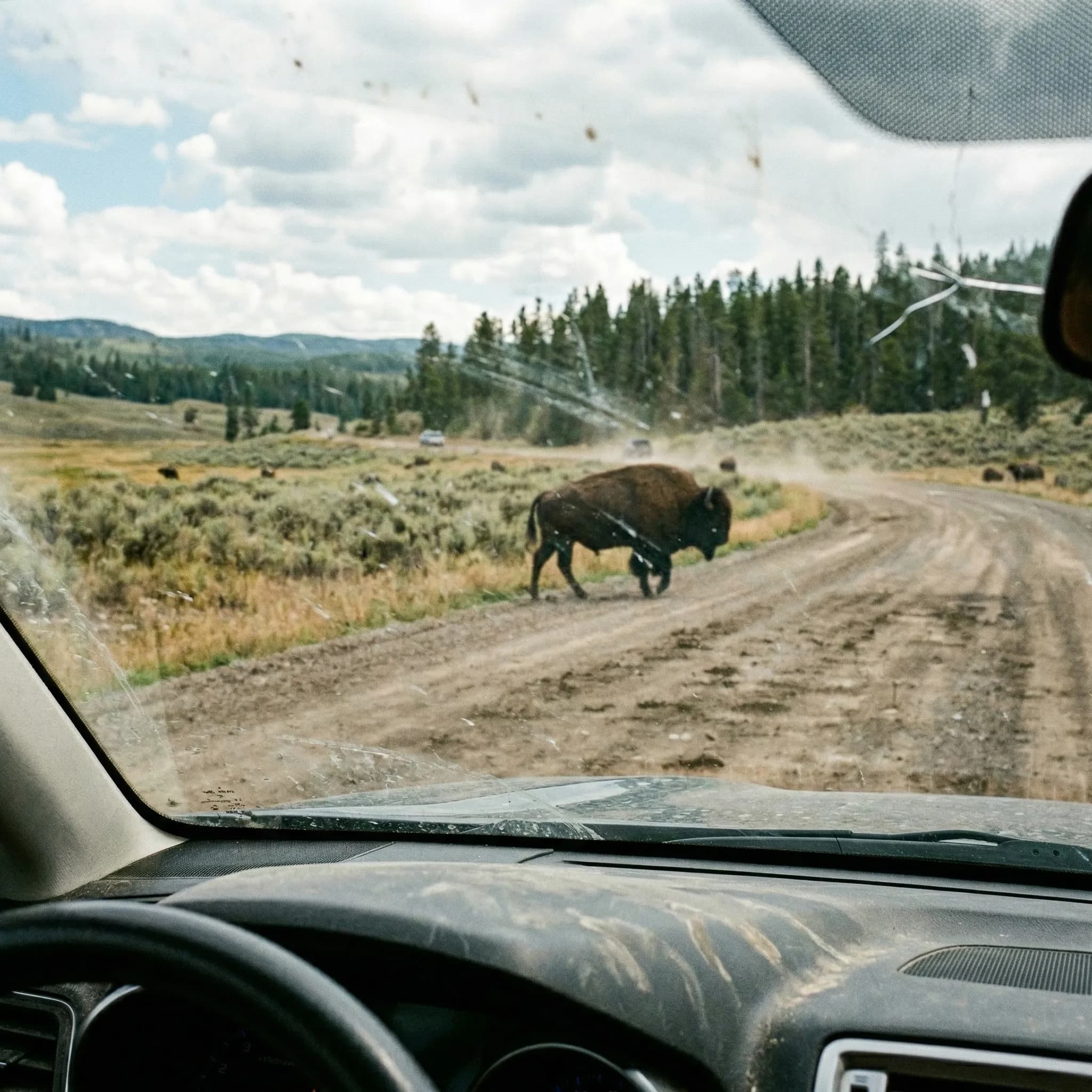
You might take multiple tours near Yellowstone and never see a bear. Conversely, you might see one on your first morning tour in May. It's genuinely unpredictable. However, wildlife viewing encompasses far more than just bears—elk, moose, mule deer, and smaller mammals are commonly visible.
The Yellowstone ecosystem is genuinely wild. Bears exist here. Nomad Yellowstone's guides do everything within their expertise to position you for wildlife encounters while prioritizing safety. A tour without bear sightings is still a success if you experience the landscape, understand ecological dynamics, and return with memories of wild country.
Ready to Ride?
Experience the Yellowstone backcountry on a guided ATV expedition. 3-hour tours daily, May through October.
Check AvailabilityReady to Go?
Don't just read about it. Experience the wilderness yourself on our premium guided electric-ATV tours.
Check Availability