Wildlife Photography in Yellowstone: Equipment, Technique, and Best Practices
★ Key Takeaways (TL;DR)
Master wildlife photography with guidance on gear, timing, composition, and remote access to prime shooting locations. For 2026, the prime window is June through September. Book early for sunrise/sunset slots.
Wildlife photography in Yellowstone requires planning, gear, and understanding animal behavior. Stunning images come from preparation, not luck.
Essential gear: A quality DSLR or mirrorless camera with a telephoto lens (200mm minimum; 400-600mm preferred) is foundational. Telephoto lenses compress distance and isolate subjects from busy backgrounds. A sturdy tripod stabilizes shots, especially at dusk and dawn when light is low. A bean bag or ground pod provides alternative stability on uneven terrain.
Technique fundamentals: Autofocus should track subjects. Shoot in aperture priority or shutter speed priority, not auto. Fast shutter speeds (1/500s or faster) freeze animal movement. Continuous shooting mode captures peak moments—a bugling elk, a bear catching fish, a wolf stepping into light.
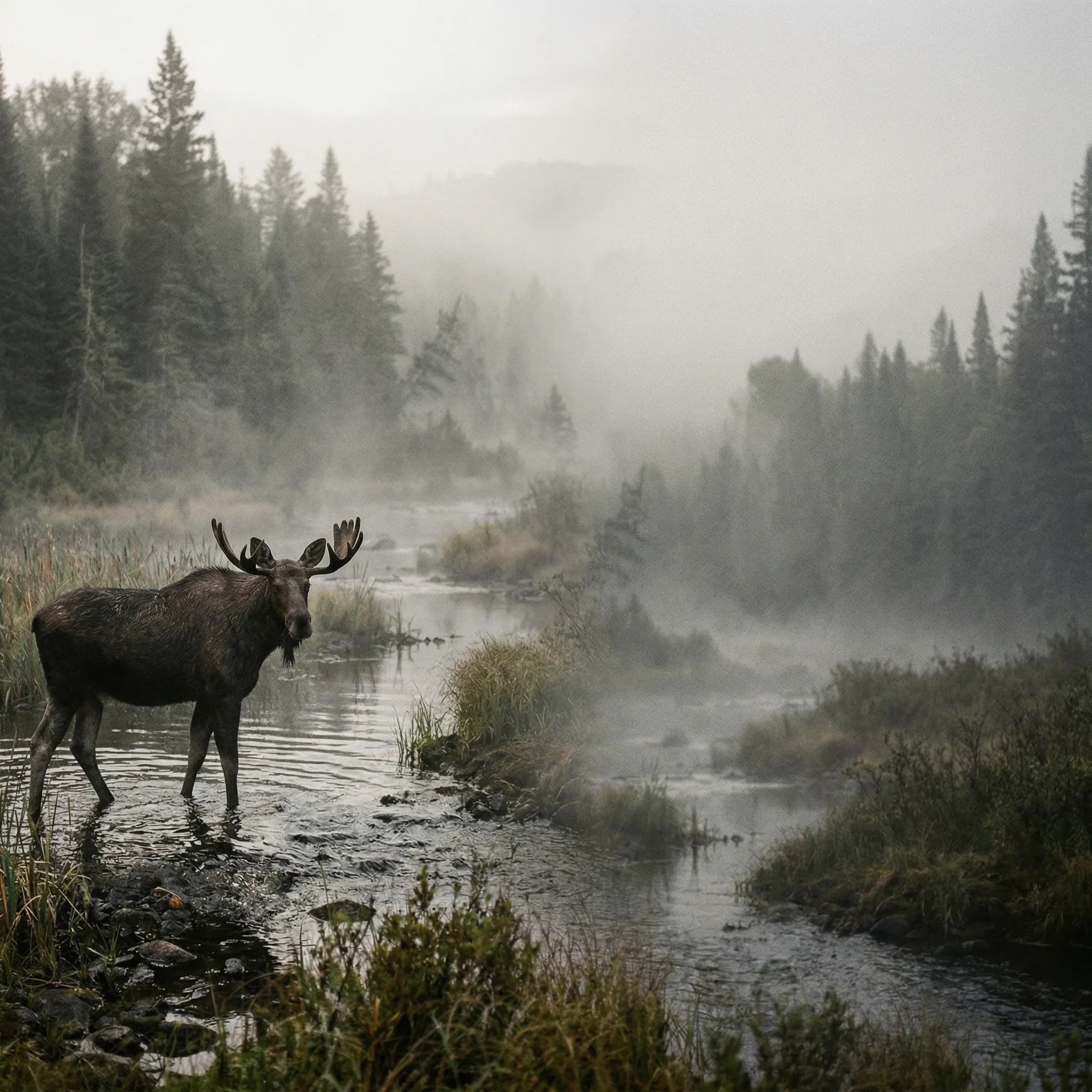
Lighting is everything. Golden hour (first hour after sunrise, last hour before sunset) produces warm, directional light that separates subjects from backgrounds. Backlighting creates rim light and silhouettes. Overcast days reduce harsh shadows. After rain, enhanced colors and clearer air improve image quality.
Composition: The rule of thirds places subjects off-center for visual interest. Include environmental context—habitat reveals ecological story. Negative space gives subjects room. Look for leading lines: rivers, tree lines, animal trails that guide viewer attention.
Best locations: Lamar Valley offers open sightlines and consistent wildlife activity. Hayden Valley concentrates elk and bison. Grand Canyon viewpoints provide drama and subject variety. Mammoth Terraces offer unique geological subjects.
Timing: Early morning (5-8 AM) and evening (5-dusk) concentrate animal activity and offer golden light. Overcast days improve color saturation. After precipitation, animals emerge to forage, increasing visibility.
Safety and ethics: Maintain safe distance from wildlife. Never approach animals. The 25-yard black bear rule and 100-yard grizzly rule aren't suggestions—they're essential. This protects you and the animals.
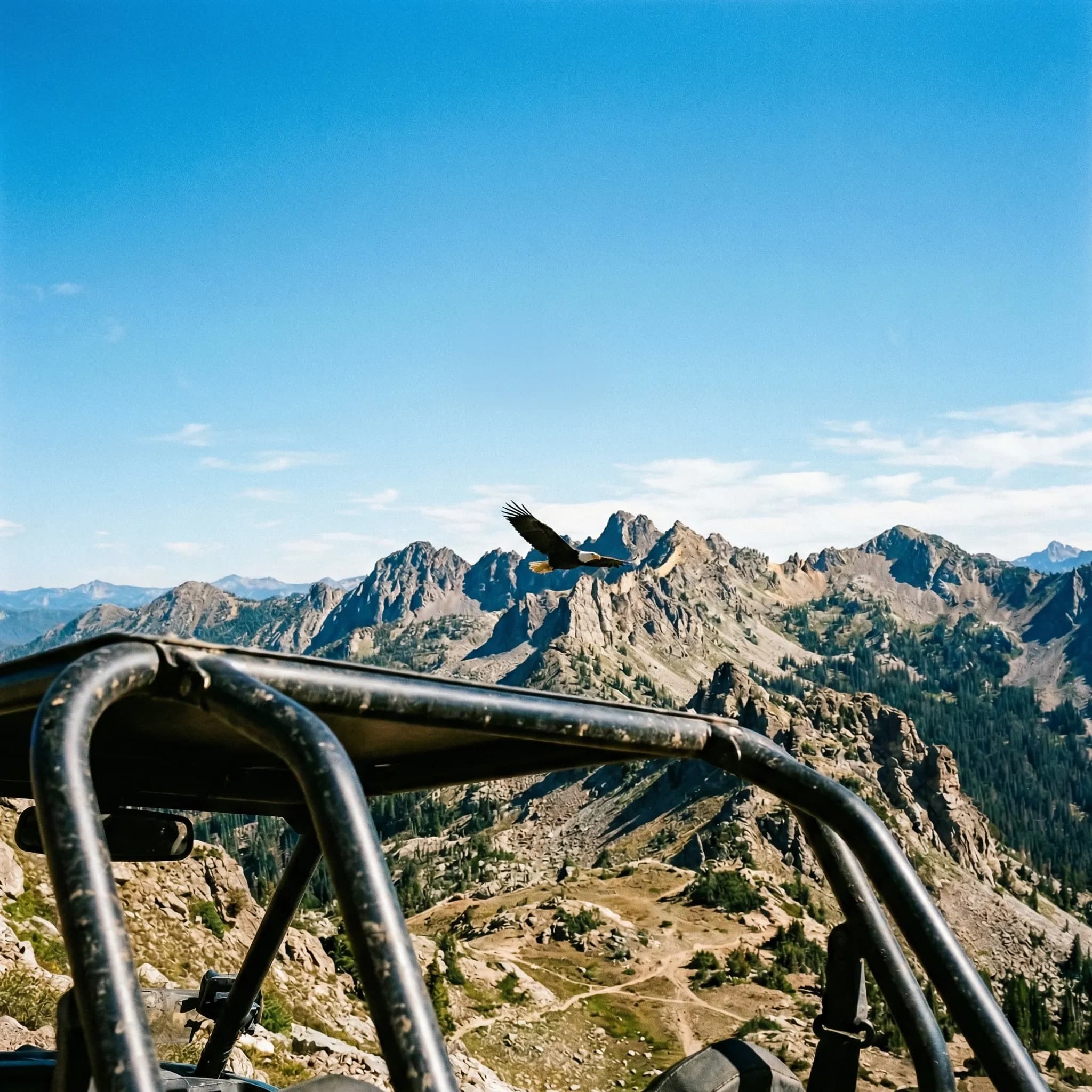
Remote access dramatically improves photographic opportunities. Nomad Yellowstone's guided ATV expeditions access backcountry locations unavailable to standard tourists. Your guide positions you for optimal light, distances, and compositions. Real-time sighting communication means you respond immediately to wildlife activity rather than hoping animals appear at roadside pullouts.
Nomad Yellowstone runs guided ATV expeditions from Island Park, Idaho — 20 minutes from West Yellowstone. Morning, Mid-Day, and Evening tours daily, April 15 through October 31. No experience required.
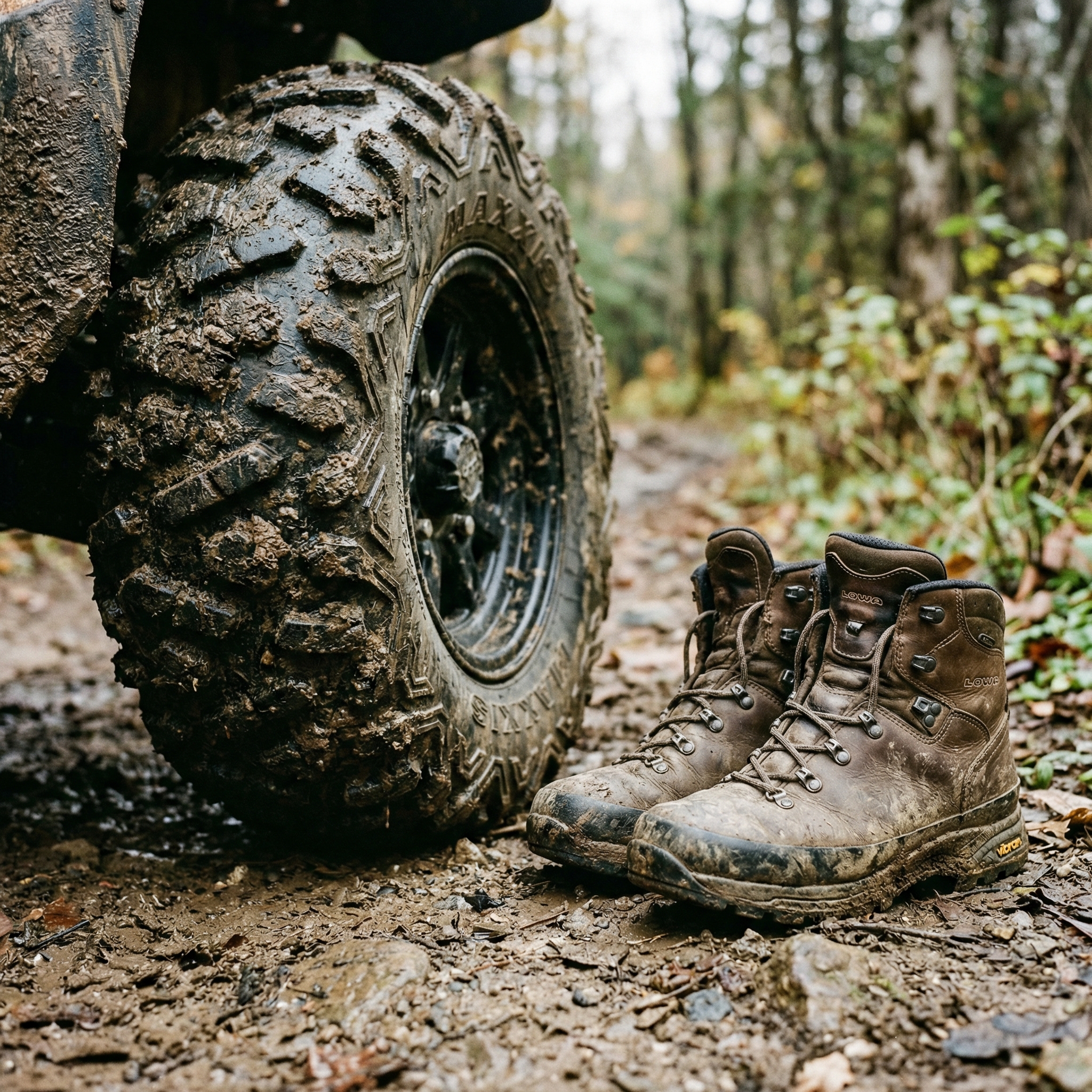
Experience It From the Backcountry.
Guided ATV expeditions through Yellowstone's surrounding wilderness. Daily departures May through October.
Check AvailabilityGuided Backcountry ATV Tours
Deploy from Island Park (20 mins from West Yellowstone). Explore rugged mountain trails that standard tourists never see. Daily departures.
Ready to Go?
Don't just read about it. Experience the wilderness yourself on our premium guided electric-ATV tours.
Check Availability