Wolf Viewing Guide: Best Times and Locations in Yellowstone
★ Key Takeaways (TL;DR)
Master wolf watching in Yellowstone with timing, location, and behavior insights from the pack. For 2026, the prime window is June through September. Book early for sunrise/sunset slots.
Guided Backcountry ATV Tours
Deploy from Island Park (20 mins from West Yellowstone). Explore rugged mountain trails that standard tourists never see. Daily departures.
Where and When to See Wolves in Yellowstone
Wolves returned to Yellowstone in 1995–1996 after a 70-year absence, and their reintroduction fundamentally transformed the park's ecology. Today, roughly 100 wolves in 10 packs roam the Greater Yellowstone Ecosystem, making it one of the best places in the world to observe wild wolves. But seeing them requires strategy.
The Lamar Valley: Epicenter of Wolf Watching
The Lamar Valley, nicknamed the "Serengeti of North America," is the undisputed epicenter of wolf-watching activity. The wide, open valley provides sightlines of 2–3 miles in every direction — critical because wolves are rarely observed closer than 500 yards. The Lamar River corridor, stretching from Slough Creek to the northeast entrance, supports the Junction Butte pack and historically the Druid Peak pack (one of the most studied wolf families in history).
Other reliable wolf-viewing areas include Hayden Valley (Canyon pack territory), the Blacktail Plateau between Mammoth and Tower, and the Yellowstone River corridor near Fishing Bridge.
Best Season: Winter (December–March)
Winter is the premier wolf-viewing season for three reasons:
- Snow concentrates prey. Elk herds cluster in lower valleys where snow is manageable, making them more vulnerable to wolf predation. Hunts happen more frequently and are more visible.
- High contrast. Dark-furred wolves against white snow are visible at extreme distances through spotting scopes.
- Fewer tourists. Winter wolf-watchers are a dedicated community. You'll find fewer crowds, and the community of regulars often shares real-time sighting information.
The tradeoff: Yellowstone's interior roads are closed in winter. Access is limited to the north entrance (Gardiner to Cooke City road), which fortunately passes directly through prime Lamar Valley wolf territory.
Second-Best: Fall (September–October)
Fall elk migration from summer highlands back to lower valleys concentrates prey and intensifies wolf hunting activity. Packs hunt more frequently, and visibility is good despite autumn foliage. September and October also overlap with elk rut — you may witness wolves stalking bugling bulls, creating extraordinary wildlife drama.
Spring and Summer: Challenging but Rewarding
Spring (April–May) presents challenges. Pups are born in dens around April but remain hidden for 4–6 weeks. Adults are active but range widely. Summer sees pups emerge and rendezvous sites become active, but wolves often range into forests and higher elevations, reducing valley-floor visibility.
Wolf-Watching Tips That Actually Work
- Arrive before dawn. Wolves are most active in the two hours surrounding sunrise and sunset. The 5–7 AM window during summer is consistently the most productive.
- Bring a spotting scope. Binoculars are insufficient for most wolf sightings. A 20–60x spotting scope on a tripod is the minimum for useful observation at typical distances.
- Listen for howls. Wolf howls carry for miles and can guide you to the correct valley section before you even set up your scope.
- Watch other watchers. The dedicated wolf-watching community in Lamar Valley is generous with information. If you see a line of spotting scopes pointed at a hillside, stop.
Backcountry Wolves: A Different Experience
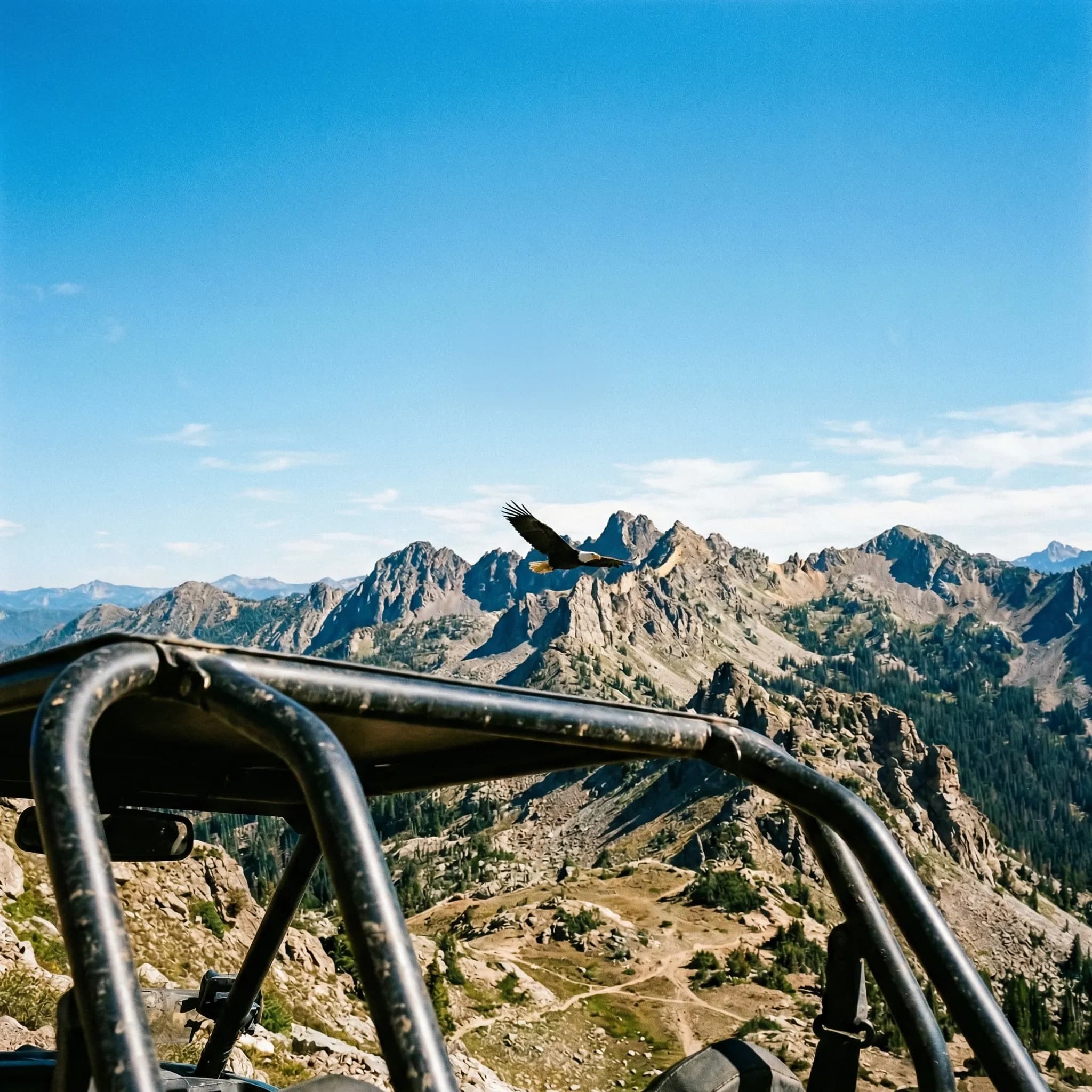
Roadside wolf-watching in Yellowstone involves crowds, traffic management, and distant sightings through scopes. In the backcountry surrounding the park — the terrain Nomad Yellowstone's ATV tours access — wolves behave differently. Without vehicle traffic and crowds, encounters are quieter and more natural. Guides have reported hearing wolf howls from ridgeline viewpoints that are completely inaccessible by car.
Nomad Yellowstone runs guided, passenger-only ATV expeditions from Island Park, Idaho — 20 minutes from West Yellowstone. Morning, afternoon, and evening tours daily, May 15 through October 31. No driving experience required.
Related reading: Best Time to See Bears in Yellowstone · Best Time to See Elk — Including the Fall Rut · Why ATV Tours Spot More Wildlife
Ready to Go?
Don't just read about it. Experience the wilderness yourself on our premium guided electric-ATV tours.
Check Availability